When Thousands of Strangers Shared One Dirty Cup, America Finally Said Enough
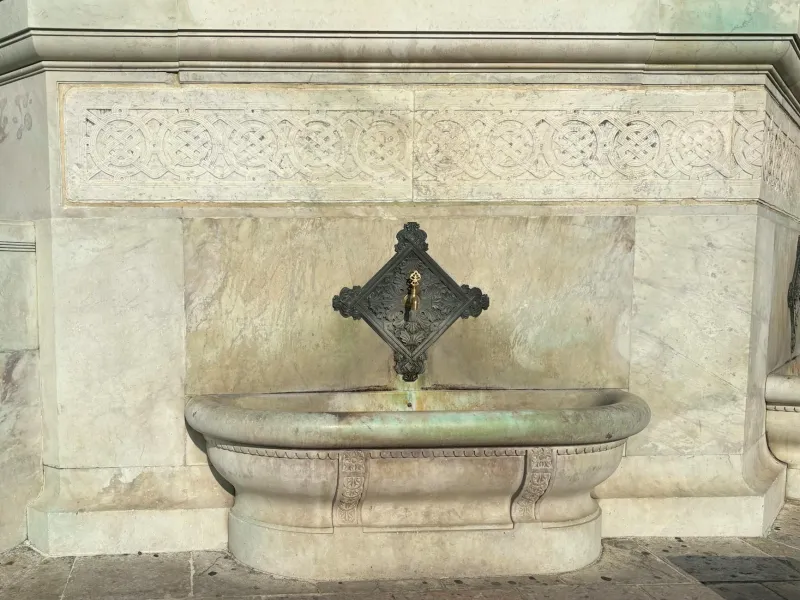
Picture this: you're thirsty at a train station in 1905, and you walk up to the public water fountain. But instead of the familiar arc of clean water we know today, there's a single tin cup hanging from a chain. That same cup has been in the mouths of hundreds of strangers before you — travelers, workers, children, sick people — all day long.
This was normal. This was how America drank water in public places for decades.
The Communal Cup Era
Before 1907, nearly every public water source in America featured what was called a "communal dipper" or "public cup." Train stations, schools, factories, and parks all offered the same setup: one metal cup, usually tin, attached to a chain or rope near the water source. Sometimes these cups sat in a shallow basin of stagnant water between uses, which somehow made things worse.
Thousands of people would use the same cup every day. In busy train stations, a single cup might touch hundreds of lips in just a few hours. Nobody thought much about it — sharing drinking vessels had been common practice for centuries.
When a Health Crusader Met a Paper Salesman
Dr. Samuel Crumbine, Kansas's chief health officer, was horrified by what he saw. In the early 1900s, diseases like typhoid, tuberculosis, and cholera spread rapidly through communities, and medical professionals were beginning to understand how germs traveled. Crumbine became obsessed with the communal cup problem.
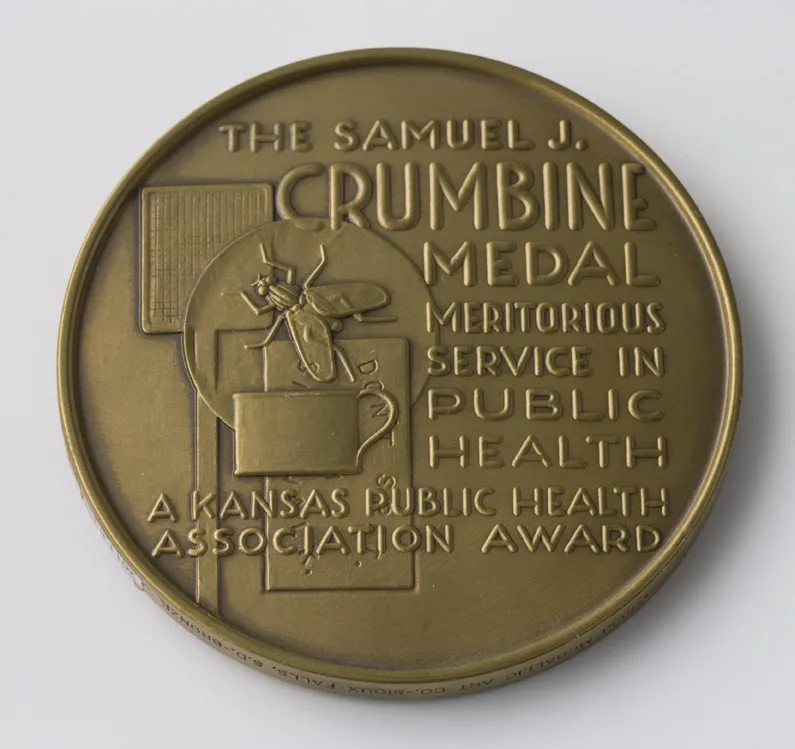 Photo: Dr. Samuel Crumbine, via tscpl.org
He launched a public campaign against shared drinking cups, calling them "death dealers" and organizing dramatic demonstrations where he'd smash communal cups with a hammer in front of crowds. His slogan: "The cup that kills."
Meanwhile, in Boston, a paper cup salesman named Lawrence Luellen was struggling to sell his product. He'd invented a paper cup called the "Health Kup" in 1907, but couldn't find a market for it. Most people thought paper cups were wasteful and unnecessary.
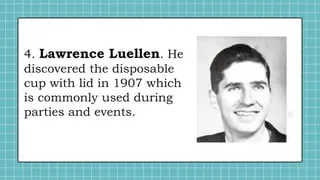 Photo: Lawrence Luellen, via image.slidesharecdn.com
When Luellen heard about Dr. Crumbine's anti-cup crusade, he saw an opportunity.
The Perfect Storm of Disgust and Innovation
Luellen approached Crumbine with a proposal: what if there was a cup that could only be used once? He demonstrated his paper cups, showing how they eliminated the contamination problem entirely. Crumbine was immediately convinced.
Together, they launched a campaign that combined public health messaging with commercial marketing. Crumbine provided the medical authority and moral urgency, while Luellen provided the solution.
They renamed the product the "Dixie Cup" (after a line of dolls, not the South) and began placing dispensers next to water fountains across the country. The timing was perfect — America was in the middle of a broader hygiene revolution, with new ideas about cleanliness and disease prevention spreading rapidly.
How Disgust Built an Industry
The campaign worked almost too well. Once people understood that they'd been sharing saliva with strangers for years, the idea of going back to communal cups became unthinkable. Cities began banning shared drinking vessels. Schools replaced their communal dippers with paper cup dispensers.
Luellen's company, which became the Dixie Cup Corporation, grew explosively. By 1920, disposable cups were everywhere — not just at water fountains, but at ice cream parlors, soda fountains, and lunch counters.
The paper cup industry had stumbled onto something bigger than hygiene: convenience. Once Americans got used to throwing things away instead of washing them, the concept spread to plates, utensils, and eventually entire meals.
The Unintended Consequences
What started as a public health intervention accidentally created America's throwaway culture. The disposable cup normalized the idea that single-use items could be both hygienic and convenient.
This shift in thinking paved the way for the entire disposable food service industry. Fast food restaurants, airline meals, office cafeterias, and school lunch programs all built their business models around the principle that Luellen and Crumbine established: sometimes throwing something away is worth the cost.
Why It Still Matters Today
The next time you grab a paper cup at a coffee shop or drink from a water fountain, you're experiencing the legacy of America's collective disgust at sharing drinks with strangers. That moment of revulsion in the early 1900s didn't just change how we drink water — it fundamentally altered how we think about cleanliness, convenience, and waste.
The communal cup disappeared so completely that most Americans today can't imagine a world where it existed. But for decades, sharing a drinking vessel with thousands of strangers was just part of daily life. It took one health crusader's horror and one businessman's ingenuity to convince an entire nation that some things are too disgusting to tolerate, no matter how normal they seem.