Before Plastic Picks, Rich Americans Wore Golden Toothpicks Like Diamond Rings
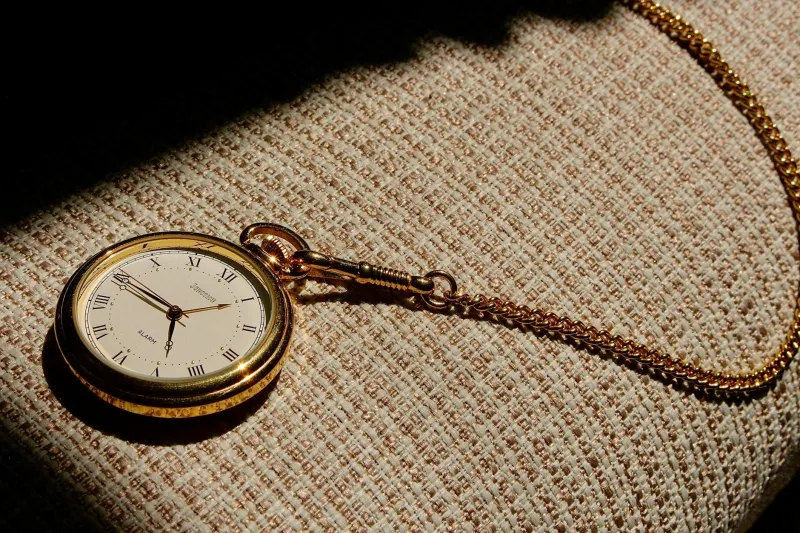
In the 1850s, if you saw a man at a fancy restaurant delicately extracting an elaborate golden implement from his vest pocket, you weren't witnessing some arcane dining ritual. You were watching America's elite perform their wealth through the most unlikely accessory imaginable: a toothpick.
For nearly half a century, owning an expensive toothpick was as important to wealthy American men as owning a fine watch or quality shoes. Some were made from gold, others from sterling silver. The most elaborate featured intricate engravings, precious stones, or telescoping mechanisms that extended and retracted like tiny luxury tools.
When Dental Hygiene Became High Fashion
The toothpick craze began in the 1840s, when European dining etiquette started influencing American upper-class behavior. Using a toothpick after meals was considered sophisticated and Continental — a sign that you understood proper dining customs and cared about personal refinement.
But wealthy Americans took the concept further than their European counterparts. Instead of using simple wooden picks, they commissioned jewelers to create elaborate versions from precious metals. These weren't just functional tools; they were deliberate displays of prosperity.
Rich men wore their toothpicks on watch chains, alongside pocket watches and other masculine accessories. At dinner parties, producing an ornate toothpick became a subtle way to signal your social status without appearing gauche or obvious.
The Art of the Aristocratic Pick
The most expensive toothpicks were custom-made by the same craftsmen who created fine jewelry and watches. Some featured mechanical elements — spring-loaded mechanisms that would extend the pick from a decorative case. Others were designed as combination tools, incorporating tiny spoons for ear cleaning or small blades for nail care.
A high-quality gold toothpick in the 1860s could cost the equivalent of several hundred dollars today. The most elaborate examples, featuring precious stones or intricate mechanical movements, could cost as much as a working man's annual salary.
Newspapers of the era regularly reported on particularly impressive toothpick displays at society gatherings. Men would compete to own the most unusual or expensive examples, turning dental hygiene into a form of conspicuous consumption.
Enter the Machine Age
This entire world of luxury toothpicks collapsed almost overnight, thanks to one man in Boston: Charles Forster.
In 1869, Forster figured out how to mass-produce wooden toothpicks using industrial machinery. His factory could churn out millions of simple, uniform wooden picks for a fraction of the cost of handmade versions.
But Forster faced a problem: Americans were so accustomed to thinking of toothpicks as luxury items that they were reluctant to buy cheap wooden versions. To solve this, he launched one of America's first mass marketing campaigns.
The Great Toothpick Flood
Forster hired young men to eat at restaurants throughout New England and loudly request toothpicks after their meals. He supplied restaurants with free wooden toothpicks and trained waiters to offer them to every customer. He even hired Harvard students to walk around Boston picking their teeth with his wooden picks, making the behavior seem fashionable and collegiate.
 Photo: New England, via cdn.britannica.com
The strategy worked brilliantly. Within a decade, wooden toothpicks were everywhere. Hotels, restaurants, and bars offered them for free. People expected to find them on every table and in every establishment that served food.
When Luxury Became Ordinary
As wooden toothpicks became ubiquitous, the luxury market collapsed entirely. Why pay hundreds of dollars for a gold toothpick when you could get a perfectly functional wooden one for free at any restaurant?
The wealthy men who had once proudly displayed their ornate toothpicks found themselves carrying the same implements as factory workers and farmhands. The democratization of the toothpick eliminated its value as a status symbol.
By 1880, elaborate toothpicks had virtually disappeared from American culture. The few that survived became curiosities — antiques that reminded people of a time when even the most mundane objects could serve as signals of social position.
The Pattern of American Manufacturing
The toothpick story reveals a pattern that would repeat throughout American industrial history: luxury items becoming mass commodities so quickly that their original cultural meaning disappears entirely.
The same process would later transform automobiles, televisions, computers, and countless other products. American manufacturing excelled at taking exclusive items and making them so widely available that exclusivity itself became impossible to maintain.
Why This Still Matters
Today's toothpicks — simple, wooden, disposable — are direct descendants of Charles Forster's industrial revolution. Every time you grab a free toothpick from a restaurant counter, you're participating in a system that was designed to eliminate the very idea that toothpicks could be precious or valuable.
The golden toothpicks of the 1850s weren't just about dental hygiene — they were about creating artificial scarcity around everyday objects. American mass production destroyed that scarcity so thoroughly that we can barely imagine a world where toothpicks were jewelry.
In a culture that often celebrates luxury and exclusivity, the humble toothpick serves as a reminder of how quickly American ingenuity can make the extraordinary seem ordinary — and how industrial efficiency has a way of democratizing even the most ridiculous status symbols.