American Bread Feels Like a Pillow Because Grocery Stores Demanded It
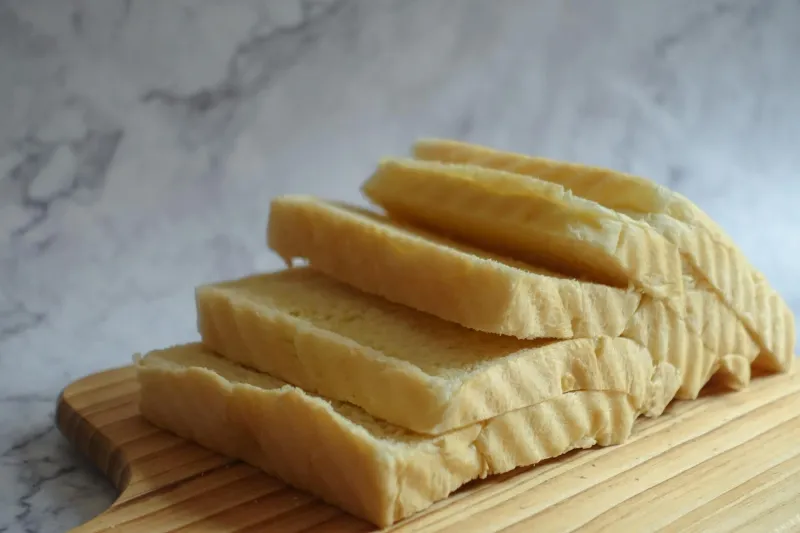
If you've ever wondered why American bread feels more like a sponge than the crusty, dense loaves found in European bakeries, the answer isn't about taste preferences or cultural traditions. It's about trucks, machines, and the unique challenge of feeding a continent-sized country through a centralized food distribution system.
American bread is soft because grocery store chains demanded it. And that demand reshaped not just how bread is made, but what Americans believe bread should be.
When Distance Became the Enemy
In the 1940s and 1950s, American food companies faced a problem that European bakers never had to solve: how to make bread that could travel 2,000 miles from a factory to a store shelf and still seem fresh when customers bought it.
Traditional bread-making techniques produced loaves that were perfect for local consumption but terrible for long-distance shipping. Crusty European-style bread would go stale within days, crack during transport, and crumble when sliced by machines. None of this mattered when bread was baked and sold in the same neighborhood, but it became a crisis when national grocery chains wanted to sell the same products from coast to coast.
The solution wasn't to improve transportation or shorten supply chains. Instead, American food scientists decided to completely reengineer bread itself.
The Science of Artificial Softness
Industrial bakers discovered that by adding specific chemicals and adjusting the mixing process, they could create bread that stayed soft for weeks instead of days. The key innovations included:
Dough conditioners like calcium stearoyl lactylate and sodium stearoyl lactylate, which strengthened the protein structure and allowed the bread to hold more air and moisture.
Emulsifiers like mono- and diglycerides, which prevented the bread from going stale by slowing down the retrogradation process — the scientific term for bread becoming hard and crumbly.
Extended fermentation techniques that broke down proteins differently, creating a more elastic, spongy texture that could compress and bounce back without breaking.
These weren't improvements to traditional bread-making — they were completely new approaches designed to solve industrial logistics problems.
The Slicing Machine Revolution
Another factor driving bread softness was the rise of pre-sliced bread. When Wonder Bread introduced sliced bread nationally in 1930, it created a new set of engineering challenges.
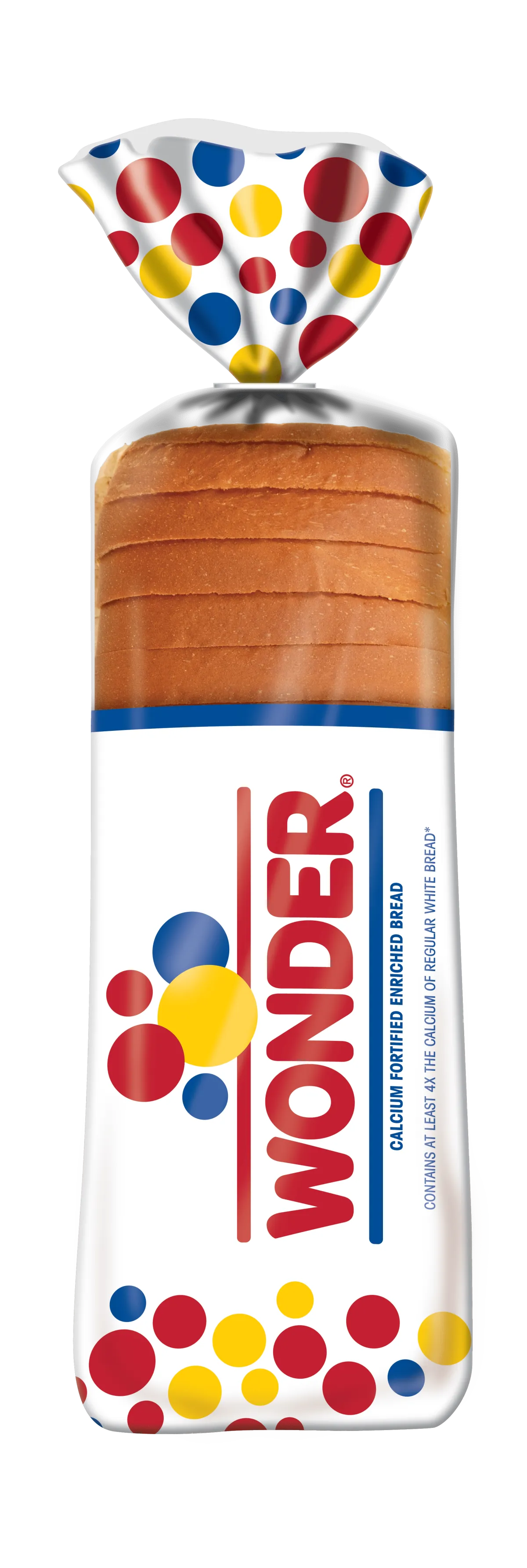 Photo: Wonder Bread, via i5.walmartimages.com
Mechanical slicing machines required bread that could be compressed, sliced cleanly, and then spring back to its original shape without tearing or crumbling. Traditional crusty bread would shatter under the pressure of industrial slicing equipment.
Bakers responded by making their bread increasingly soft and elastic. The spongier the texture, the better it performed in slicing machines. What started as a mechanical necessity gradually became the standard that American consumers expected.
How Supermarkets Trained America's Palate
As national grocery chains expanded after World War II, they standardized their bread offerings around products that could survive their distribution systems. Local bakeries that produced traditional, crusty bread couldn't compete with the convenience and consistency of mass-produced soft bread.
Within a generation, most Americans had never experienced bread that wasn't artificially softened. Soft bread became synonymous with fresh bread in the American consumer mind — even though the opposite is often true.
Grocery stores reinforced this preference through their marketing and display strategies. Soft bread could be squeezed by customers to "test" freshness, a practice that would destroy traditional bread but worked perfectly with engineered loaves. The squish test became a standard way Americans evaluated bread quality.
The Refrigeration Effect
American bread softness was also influenced by refrigeration habits that don't exist in many other countries. Because Americans routinely store bread in refrigerators (which actually makes it go stale faster), food scientists had to create formulations that could survive cold storage without becoming inedibly hard.
This led to even more chemical additives and processing techniques designed to maintain softness under refrigeration. The result was bread that felt increasingly artificial but met the practical needs of American storage and consumption patterns.
When Logistics Became Culture
Over time, the industrial requirements that created soft American bread became cultural preferences. Children who grew up eating Wonder Bread and similar products developed taste expectations based on engineered texture rather than traditional bread characteristics.
Soft bread became associated with comfort, freshness, and quality in American culture — associations that were originally marketing necessities rather than culinary choices. The spongy texture that European visitors often find strange became the baseline for what Americans consider normal bread.
The Artisan Bread Awakening
Starting in the 1990s, some American consumers began rediscovering traditional bread-making techniques through the artisan bread movement. Bakeries like Acme Bread Company in California and Sullivan Street Bakery in New York reintroduced Americans to crusty, dense, naturally fermented breads.
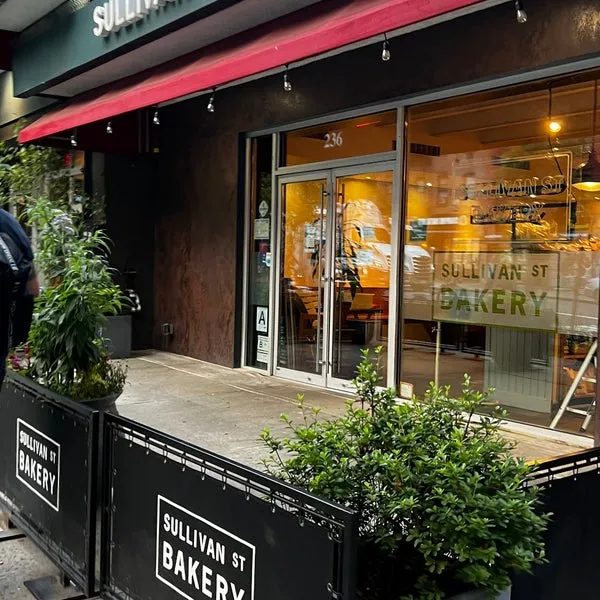 Photo: Sullivan Street Bakery, via fastly.4sqi.net
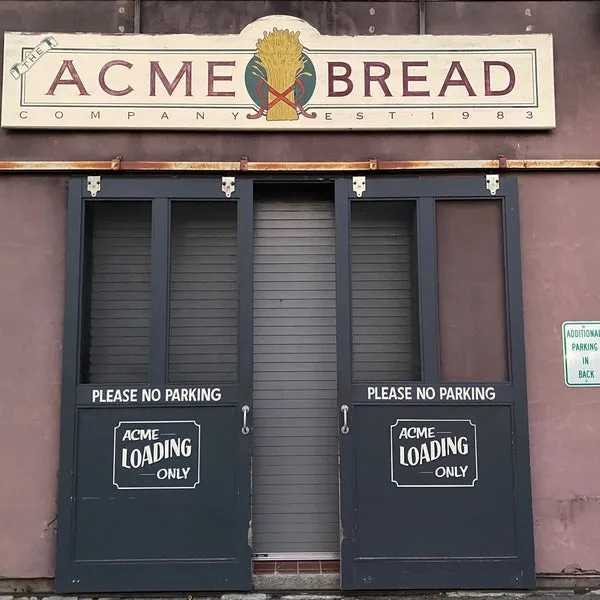 Photo: Acme Bread Company, via fastly.4sqi.net
But even today, these "artisan" breads represent a tiny fraction of American bread consumption. The vast majority of bread sold in American grocery stores is still engineered for softness, shelf life, and mechanical processing rather than flavor or traditional texture.
Why This Matters Beyond Bread
The story of American bread reveals how industrial logistics can accidentally reshape cultural preferences. What started as solutions to practical distribution problems became the foundation for an entire nation's expectations about food.
This pattern repeats throughout American food culture: processed cheese, ultra-pasteurized milk, and countless other products were developed to solve shipping and storage challenges, then became the standard that Americans grew up expecting.
The next time you squeeze a loaf of bread at the grocery store, you're not just testing freshness — you're participating in a ritual that was created by food scientists trying to solve the challenge of feeding a geographically massive country through centralized distribution systems. That pillowy softness isn't an accident or a cultural preference — it's the physical manifestation of American industrial efficiency.