How a Factory Worker's Folding Machine Quietly Liberated America's Housewives
When Shopping Meant Walking to the Store Every Single Day
Before 1868, buying groceries was like playing a daily game of Jenga with your schedule. Women—because let's be honest, it was almost always women—had to visit the market every single day, sometimes twice, carrying everything in their arms or cramming items into flimsy cone-shaped paper bags that collapsed if you looked at them wrong.
The paper bags available then were essentially rolled newspaper formed into a cone. Try carrying a week's worth of flour, sugar, and canned goods in what amounted to a paper ice cream cone, and you'll understand why American households lived meal-to-meal instead of planning ahead.
The Woman Who Saw a Better Way to Fold Paper
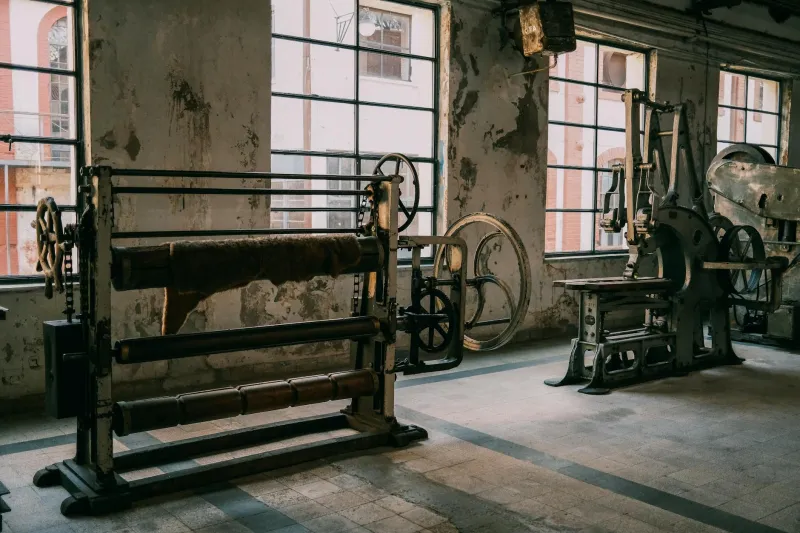
Margaret Knight worked in a paper bag factory in Springfield, Massachusetts, watching workers struggle to fold bags by hand all day. The process was slow, inconsistent, and produced those useless cone-shaped disasters that made grocery shopping a nightmare for millions of American families.
 Photo: Springfield, Massachusetts, via c8.alamy.com
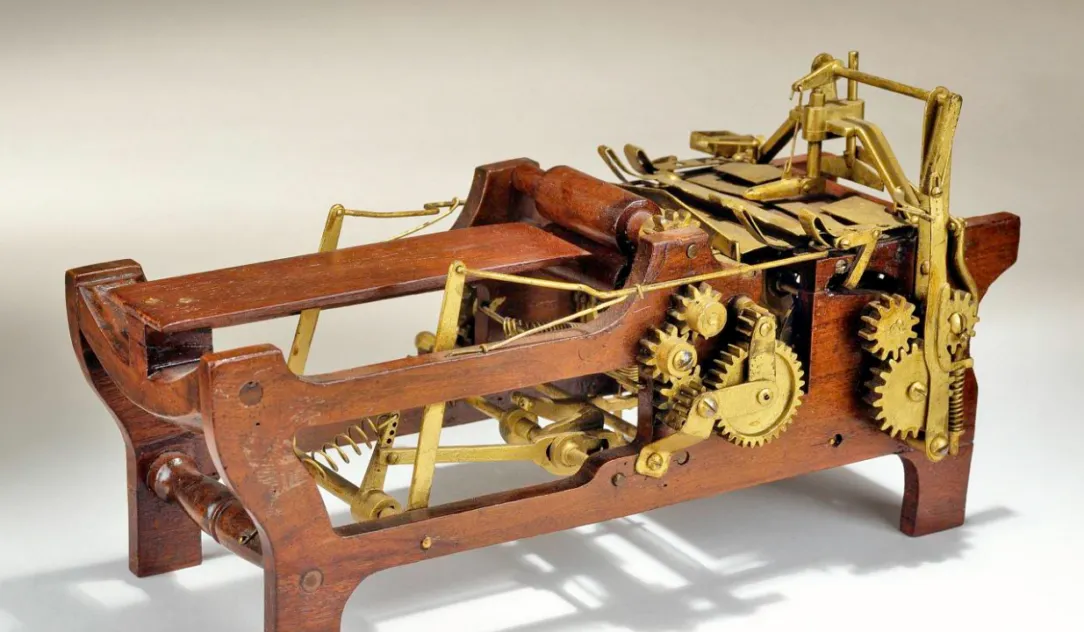 Photo: Margaret Knight, via theglindafactor.com
Knight had already earned a reputation as someone who fixed things that didn't work properly. As a child, she'd invented a safety device for textile looms after watching a worker get injured. Now, watching the daily frustration of paper bag production, she saw an opportunity to solve a problem nobody else was even thinking about.
In 1867, she began designing a machine that could automatically fold paper bags with flat bottoms and square sides—bags that could actually stand up and hold real weight. The concept seems obvious now, but at the time, it was revolutionary engineering.
Fighting for Credit While Changing America's Shopping Habits
Knight's machine worked beautifully, but getting credit for her invention proved harder than building it. When she applied for a patent in 1868, a man named Charles Annan claimed he'd invented the same machine first. Knight had to take him to court, bringing her original sketches, notes, and testimony from coworkers to prove the idea was hers.
She won the case and received Patent No. 109,224 on November 15, 1870. But while Knight was fighting legal battles, her bags were already quietly transforming American domestic life.
The Accidental Revolution in Every Kitchen Cabinet
The flat-bottomed paper bag didn't just make shopping easier—it completely restructured how American families thought about food storage and meal planning. For the first time, households could buy enough groceries to last several days, even a week.
Suddenly, women had time for activities other than daily market runs. They could plan meals in advance, take advantage of bulk pricing, and store ingredients without worrying about them spilling out of collapsing bags during the walk home.
General stores and early supermarkets noticed customers buying larger quantities and shopping less frequently. The paper bag had accidentally created America's first bulk-buying culture, decades before anyone used terms like "weekly grocery run" or "meal prep."
From Factory Floor to Cultural Force
By the 1880s, Knight's bag design had become the standard across America. Grocery stores ordered them by the thousands, and manufacturers began printing store names and advertisements on the sides—turning the humble paper bag into America's first widespread branded packaging.
The bags were strong enough to carry multiple items, cheap enough for stores to give away free, and convenient enough that customers began expecting them. What started as a factory efficiency improvement had become essential infrastructure for American commerce.
The Invisible Foundation of Modern Shopping
Today, we take sturdy shopping bags for granted, but Knight's invention laid the groundwork for everything from weekly grocery shopping to bulk warehouse stores like Costco. The ability to carry large quantities of goods home safely made modern supermarket culture possible.
Her flat-bottomed bag design is still the template for paper grocery bags more than 150 years later. Every time you pack groceries into a paper bag that stands up straight and holds its shape, you're using technology that Margaret Knight invented while watching frustrated workers in a Massachusetts factory.
The Quiet Revolution That Nobody Talks About
Margaret Knight never set out to revolutionize American domestic life. She just wanted to make a better paper bag. But her machine did something more powerful than she could have imagined—it gave American families the freedom to shop on their own terms instead of being enslaved to daily market trips.
In a country built on the promise of efficiency and convenience, Knight's paper bag was one of the first inventions to deliver on that promise for ordinary households. She didn't just fold paper differently; she folded time itself, giving American women hours back in their day and accidentally launching the shopping culture that still defines how we eat.