America's Most Essential Spice Lost Its Flavor When It Became Too Cheap to Care About
When a Pinch of Pepper Could Buy You a House
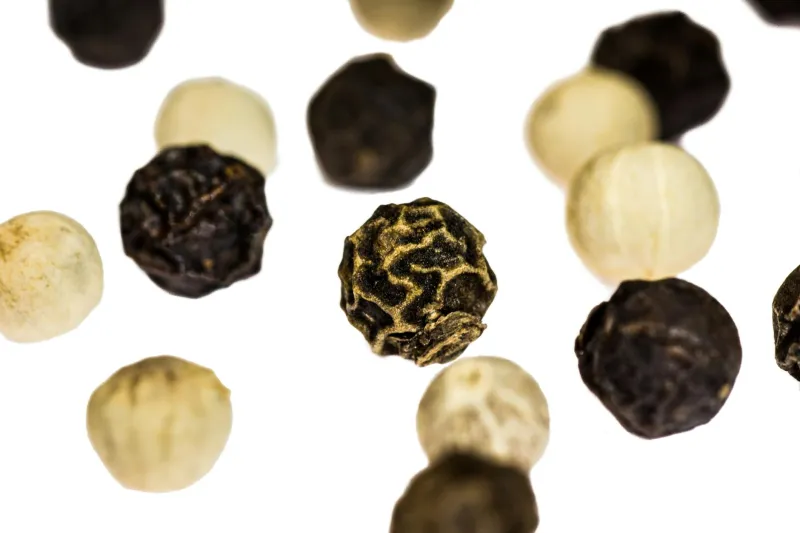
In medieval Europe, black pepper was literally worth its weight in gold. A pound of peppercorns could buy you a sheep, and wealthy families included pepper in their wills alongside jewelry and land. European nobles hoarded peppercorns in locked spice boxes, doling them out grain by grain for special occasions.
This wasn't just culinary snobbery—pepper was practical magic. Before refrigeration, it was one of the few ways to make preserved meat palatable and safe to eat. The difference between having pepper and not having pepper was often the difference between surviving winter and starving.
The Spice That Launched a Thousand Ships
The European obsession with pepper literally reshaped the world map. Christopher Columbus was looking for a faster route to pepper-growing regions when he accidentally bumped into America. Vasco da Gama sailed around the entire continent of Africa chasing pepper profits. The Dutch East India Company built the first global corporation around controlling pepper trade routes.
 Photo: Dutch East India Company, via s3-ap-south-1.amazonaws.com
 Photo: Vasco da Gama, via 3.bp.blogspot.com
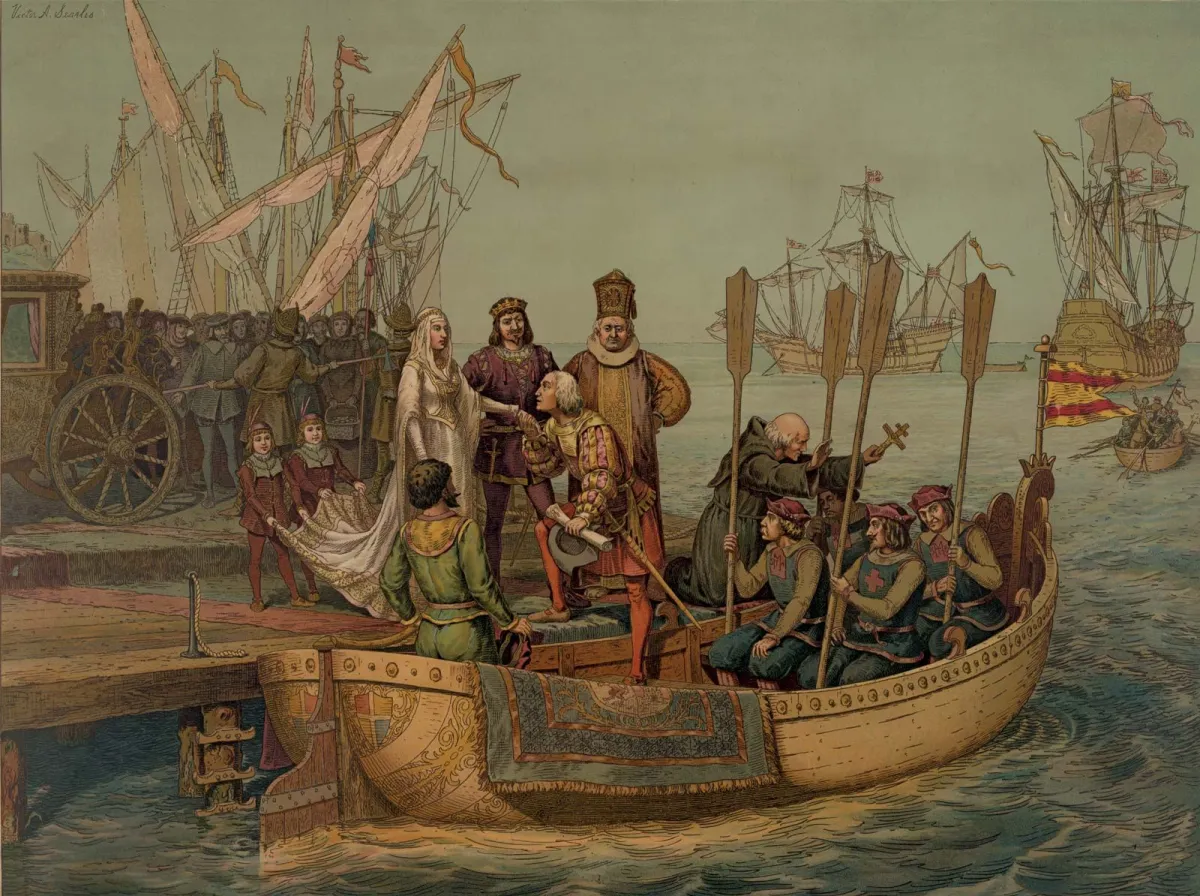 Photo: Christopher Columbus, via cdn.britannica.com
Pepper was so valuable that entire wars were fought over access to the spice islands where it grew. The phrase "peppercorn rent"—meaning a token payment—comes from the practice of using actual peppercorns as currency for land deals.
By the 1600s, pepper had become the petroleum of its era: the commodity that powered international trade and funded exploration. European powers spent fortunes building navies and establishing colonies, all to control the flow of these tiny black spheres from Southeast Asia to European dinner tables.
How America Learned to Stop Tasting
Fast-forward to 1950s America, and something remarkable had happened: pepper had become so cheap and abundant that people stopped paying attention to what it actually tasted like. The spice that once bankrolled empires was now sold in cardboard shakers next to gas station hot dogs.
The transformation happened gradually, then suddenly. Steam-powered shipping in the 1800s cut transportation costs. Industrial processing in the early 1900s allowed companies to grind pepper in massive quantities and package it for long-term storage. By the time suburban supermarkets emerged in post-war America, pepper was just another commodity—as common and unremarkable as table salt.
The Great Pepper Flattening of American Taste
Most Americans today have never tasted fresh-ground pepper from whole peppercorns. What sits in those plastic shakers at diners and fast-food restaurants is pepper that was ground months or even years ago, then mixed with anti-caking agents and preservatives to keep it flowing freely.
Fresh pepper is sharp, complex, and almost citrusy. Pre-ground pepper is dusty, one-dimensional, and mostly just provides heat without flavor. It's like comparing fresh orange juice to orange-flavored drink powder—technically the same ingredient, but completely different experiences.
The irony is that America, the country with the most abundant and affordable pepper in human history, has also become the place where pepper is most likely to be flavorless. We won the pepper wars so completely that we forgot why we were fighting.
When Convenience Killed Complexity
The same industrial efficiency that made pepper affordable also made it boring. Large-scale grinding and packaging prioritized shelf stability over flavor. Restaurants chose convenience over quality, buying pre-ground pepper in bulk rather than grinding fresh peppercorns for each service.
Even at home, most American families keep pepper in shakers that might sit in the pantry for years. The pepper loses its essential oils and aromatic compounds, becoming essentially edible dust that people shake onto food out of habit rather than for any actual flavor enhancement.
The Spice That Built Everything and Flavors Nothing
Here's the strange part: pepper is still the world's most important spice by volume. Americans consume millions of pounds of it every year. But ask most people what pepper actually tastes like, and they'll struggle to describe anything beyond "spicy" or "hot."
We've turned the spice that launched the global economy into background noise for our taste buds. The commodity that motivated centuries of exploration and trade now exists primarily as a condiment that people add to food without thinking, like a reflex left over from when pepper actually mattered.
What We Lost When We Won the Pepper Wars
The story of pepper in America is the story of how abundance can diminish appreciation. We solved the problem of pepper scarcity so thoroughly that we created a new problem: pepper meaninglessness.
Medieval nobles would be astonished to see Americans casually shaking pepper onto scrambled eggs without even tasting it first. The spice they treasured like precious stones has become so common that it's essentially invisible—present in nearly every American meal, but absent from most American consciousness.
Pepper didn't just get cheaper in America; it got forgotten. And in forgetting the spice that built the modern world economy, we lost touch with one of the most fundamental flavors in human cuisine. The pepper shaker on your table contains the ghost of empires, but chances are, you've never really tasted what all the fuss was about.