Soldiers Carried Canned Food for Half a Century Before Anyone Invented a Way to Open It
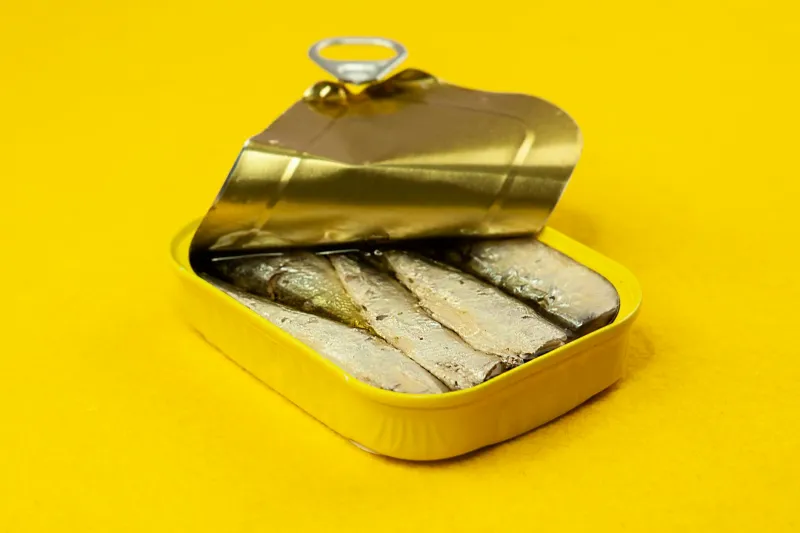
The Most Frustrating Invention in Military History
Imagine being a soldier in 1850, exhausted and hungry after a long march, finally reaching for your preserved beef ration. You've got food that will never spoil, thanks to the miracle of canning technology. There's just one problem: the only way to access it is with a hammer, chisel, and about twenty minutes of violent percussion.
This was reality for American soldiers throughout the Mexican-American War, the California Gold Rush, and the early years of the Civil War. The tin can had solved the ancient problem of food preservation, but nobody had bothered to solve the much more immediate problem of actually getting the food out.
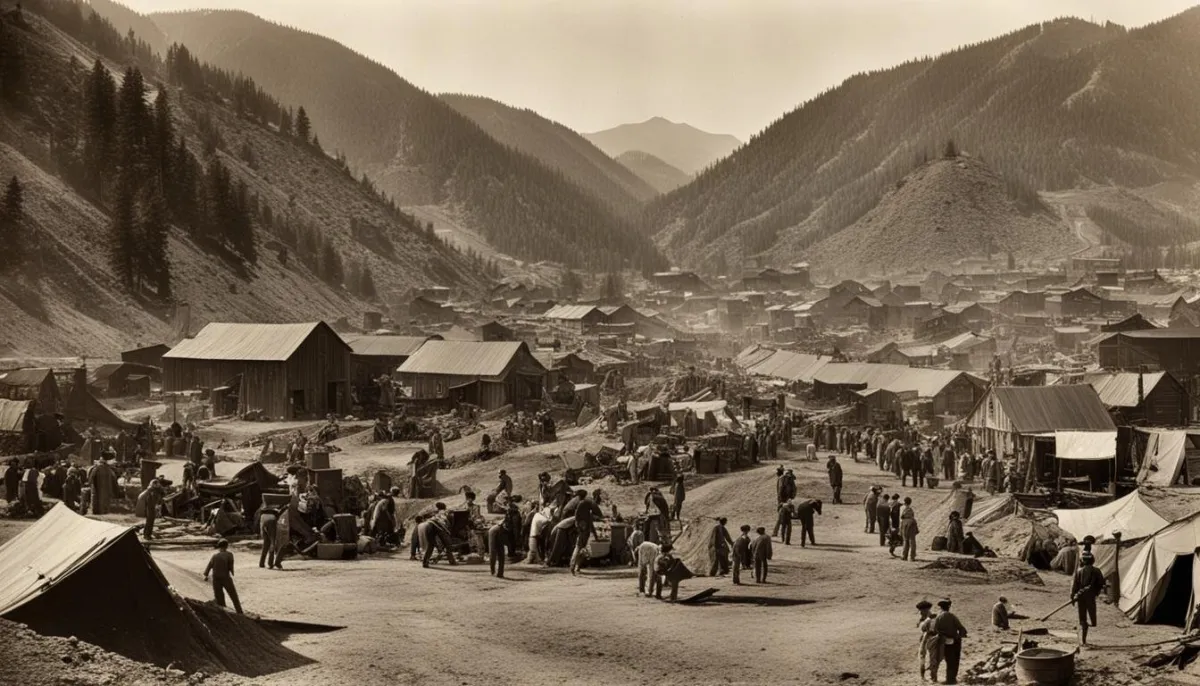 Photo: California Gold Rush, via learncalifornia.org
When Invention Forgot About Practicality
Peter Durand received British Patent No. 3372 for the tin can on August 25, 1810. His design was brilliant in its simplicity: seal food inside a metal container, and it would stay fresh indefinitely. The British Navy immediately saw the potential and began stocking ships with canned provisions for long voyages.
But Durand's patent focused entirely on preservation, not consumption. His instructions for opening the can read like a demolition manual: "Cut round the top near the outer edge with a chisel and hammer." He literally expected people to attack their food with construction tools.
Early cans were thick, heavy, and built like small safes. Some weighed more than the food inside them. Military rations from the 1840s came with printed instructions that included warnings about flying metal shards during the opening process.
The Hammer-and-Chisel Years of American Eating
American soldiers during the Mexican-American War (1846-1848) developed creative can-opening techniques that would horrify modern safety inspectors. Some used rifle butts to smash cans open. Others employed bayonets as improvised can openers, stabbing holes around the rim until they could peel back the metal.
The most popular method involved placing the can on a rock and hitting it with whatever heavy object was available—a technique that worked but often contaminated the food with dirt, metal fragments, and whatever else happened to be on the rock.
Civilian customers faced the same problem. General stores sold canned goods alongside hammers and chisels, treating can-opening tools as a separate purchase. Early advertising for canned food included detailed instructions for safe opening procedures, as if accessing a can of peaches required engineering expertise.
When the Gold Rush Met the Tin Can
The California Gold Rush of 1849 created the first mass market for canned food in America. Prospectors heading west needed provisions that wouldn't spoil during the long journey, and canned goods fit the bill perfectly. But the remote mining camps had limited tools, leading to increasingly creative can-opening solutions.
Mining camps developed a whole culture around can-opening techniques. Some prospectors became local celebrities for their ability to open cans quickly and cleanly. Others earned reputations for spectacular failures, like the miner who accidentally shot a hole through his beans while using a pistol as a can opener.
The problem became so widespread that some mining supply companies began selling pre-opened canned goods, transferring the contents to wooden barrels or cloth sacks—essentially undoing the preservation benefits just to make the food accessible.
The Civil War's Canned Food Disaster
By 1861, the U.S. military was heavily invested in canned rations, but soldiers were still opening them with whatever weapons they had handy. Civil War diaries are full of complaints about "iron rations" that were impossible to access without proper tools.
Some regiments assigned specific soldiers as designated can-openers, armed with hammers and chisels to handle meal preparation for entire units. This system worked until those soldiers were wounded, captured, or killed—leaving entire companies staring hungrily at unopenable food.
The absurdity reached its peak during siege warfare, when soldiers had plenty of time but limited tools. Confederate troops at Vicksburg spent hours each day just trying to access their own rations, using everything from belt buckles to broken wagon wheels as improvised can openers.
The 48-Year Wait for Common Sense
Ezra Warner finally patented the first practical can opener in 1858—nearly half a century after Durand's original can design. Warner's opener used a sharp blade and lever system to cut around the can's rim, a design so obvious in hindsight that it's amazing nobody thought of it sooner.
 Photo: Ezra Warner, via playback.fm
But even Warner's opener was clunky and dangerous, requiring two hands and considerable force to operate. It wasn't until 1870 that William Lyman invented the familiar wheel-and-blade design that most Americans recognize as a "real" can opener.
The modern pull-tab can didn't appear until 1959—149 years after the original tin can patent. For nearly a century and a half, humans had the technology to preserve food indefinitely but struggled with the basic task of eating it.
What the Can-Opening Gap Reveals About Innovation
The 48-year delay between can and can opener perfectly illustrates how innovation actually works in practice. Inventors often solve one problem while creating entirely new ones. The assumption that "someone else will figure out the details" can leave entire industries stuck with impractical solutions for decades.
Durand's can was a brilliant solution to food preservation, but he treated access as an afterthought. This pattern repeats throughout technology history: revolutionary inventions that overlook basic usability concerns, leaving consumers to improvise solutions until someone finally addresses the obvious problem.
From Military Curiosity to Grocery Store Standard
Once practical can openers became available, canned food transformed from a military specialty to a household staple. American families who had avoided canned goods due to opening difficulties suddenly embraced them as convenient alternatives to fresh ingredients.
By 1880, nearly every American kitchen had both canned food and a can opener—a pairing so natural that it's hard to imagine they were ever sold separately. The can opener's invention didn't just make canned food easier to eat; it made the entire concept of preserved food accessible to ordinary families.
The next time you effortlessly pop open a can of soup, remember that American soldiers spent half a century attacking their rations with hammers just to eat dinner. Sometimes the most important inventions aren't the revolutionary breakthroughs—they're the simple tools that make the breakthroughs actually usable.