The Tiny Wood Sliver That Started a War: How the Toothpick Conquered the American Diner
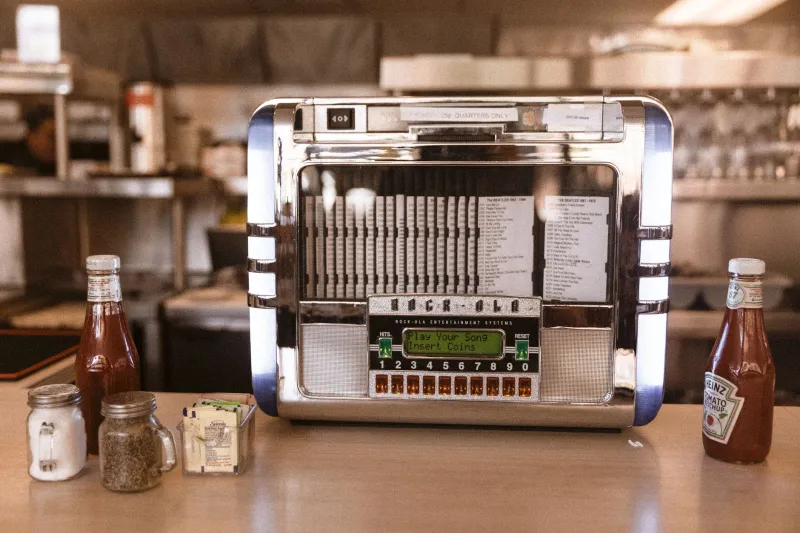
Next time you grab a toothpick on your way out of a diner, take a second to actually look at it. It's a perfectly tapered, machine-cut, birchwood splinter — uniform, cheap, and completely unremarkable. You've probably grabbed one a thousand times without thinking twice. But that tiny sliver of wood has a surprisingly fierce history, one involving factory empires, restaurant lobbying campaigns, and a corner of rural Maine that once supplied the entire country's post-meal ritual.
Before the Machine, There Was the Whittler
For most of human history, toothpicks were either luxury items or improvised ones. Wealthy Romans carried gold and silver picks as status symbols — more jewelry than hygiene tool. Ordinary people used whatever was handy: a thorn, a quill, a sharpened twig. In early America, the toothpick was similarly informal. If you needed one, you made one. The idea of mass-producing them in a factory hadn't occurred to anyone, mostly because nobody had figured out how to do it cheaply enough to matter.
That changed in the 1860s, thanks to a man named Charles Forster. Forster was a Boston merchant who had spent time in South America and noticed that Brazilians used smooth, elegantly cut wooden picks as a matter of daily habit. He came home convinced that Americans would do the same — if only someone put the picks in front of them.
 Photo: Charles Forster, via dakarzoom.com
The problem was manufacturing. Forster partnered with a machinery inventor to develop a mechanical toothpick cutter, and by the early 1870s, he had set up production in Strong, Maine — a small town with access to exactly the right raw material: dense, fine-grained white birch.
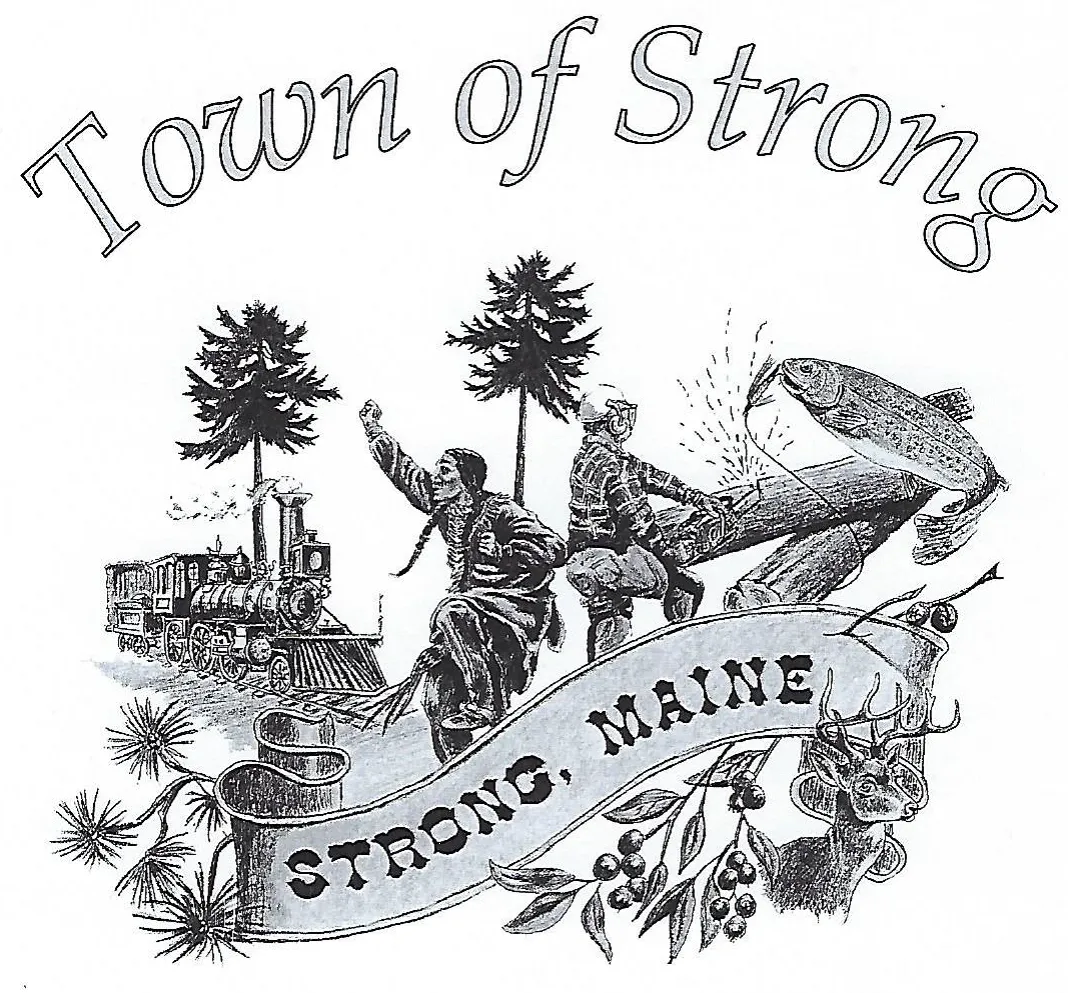 Photo: Strong, Maine, via strong-maine.com
Strong, Maine: The Toothpick Capital of the World
At its peak, the town of Strong produced an almost incomprehensible number of toothpicks. Factories there were cranking out billions — with a B — of picks per year, shipping them by rail to distributors across the country. The birch forests of western Maine turned out to be almost perfectly suited to the work: the wood split cleanly, held a point without splintering dangerously, and was neutral enough in taste that it didn't interfere with what you'd just eaten.
By the late 1800s, Strong wasn't just a factory town. It was the center of a genuine industrial ecosystem. Multiple competing manufacturers set up operations nearby, and the toothpick became one of Maine's signature exports. The state's logging economy, often associated with lumber and paper, had quietly produced something far more intimate — a product that would end up between the teeth of nearly every American who ate in a restaurant.
The Restaurant Lobby Battle Nobody Remembers
Forster's early marketing strategy was as clever as his factory setup. Unable to simply wait for restaurants to start stocking toothpicks on their own, he reportedly paid Harvard students to go into Boston restaurants, eat meals, and then loudly demand toothpicks at the end. When managers said they didn't carry them, the students made a scene. Forster then showed up shortly afterward to sell the restaurateur a supply — to a proprietor now convinced that customers clearly expected them.
Whether that story is entirely true is debated, but the underlying dynamic isn't. The toothpick industry understood early that its survival depended on embedding the pick into restaurant culture as a default expectation rather than an optional extra. And it worked. By the early twentieth century, the glass jar or small dispenser of toothpicks near the cash register had become as standard a feature of the American diner as the sugar dispenser or the pie case.
As the industry grew, it also organized. Toothpick manufacturers lobbied against imports, particularly cheaper picks coming from Japan and later other Asian markets, and worked to keep tariffs in place that protected domestic production. The fights were unglamorous but surprisingly intense — trade hearings in which senators debated the future of a product that cost fractions of a cent apiece.
The Ritual That Stuck
What's interesting about the toothpick's place in American dining culture isn't just how it got there — it's how completely it embedded itself into the exit ritual of a meal. In the mid-twentieth century diner, the sequence was almost choreographed: check arrives, cash goes down, you grab a toothpick on the way to the door. It was the punctuation mark at the end of a meal, a small physical act that signaled you were done, satisfied, and moving on.
Some of that ritual has faded. Upscale restaurants never really adopted the toothpick jar in the first place, and fast food culture bypassed it entirely. But walk into a certain kind of American diner — the ones with laminated menus and bottomless coffee — and the picks are still there, same as they were in 1955.
What a Splinter of Wood Says About American Eating
The toothpick story is, at its core, a story about how eating habits get manufactured. Forster didn't discover a pre-existing demand and fill it. He created the demand, built the supply chain to meet it, and then made sure the product was sitting at the point of exit in restaurants across the country until grabbing one felt completely natural.
That's not cynical — it's actually kind of remarkable. A man from Boston looked at a piece of birch wood, saw a billion-dollar habit nobody had yet formed, and quietly built an industry around it in a town most Americans have never heard of.
Strong, Maine still has a toothpick museum. It's worth knowing that exists.