It Started in a Cave and Ended Up in Every Fridge in America: The Unlikely Rise of Ranch Dressing
Photo: Aspensmonster, CC BY-SA 4.0, via Wikimedia Commons
Pull open almost any American refrigerator and you'll find it: that familiar bottle with the ranch label, usually somewhere near the back of the door, maybe next to the ketchup. Ranch dressing is so thoroughly embedded in American food culture that it gets used on salads, pizza, chicken wings, french fries, and pretty much anything else that holds still long enough. It is, by a wide margin, the most popular salad dressing in the United States — and it was invented by a man who used to fix pipes for a living, in a cave, on a remote California ranch, because his dinner guests kept begging him for the recipe.
The story of how that happened is one of the more improbable journeys in American food history.
From Alaska to a California Dude Ranch
Steve Henson wasn't a chef. He was a plumber and contractor who spent years working construction jobs in remote Alaska during the early 1950s. Cooking for work crews in the wilderness, far from any grocery store or restaurant, Henson developed a practical, improvisational style in the kitchen. He worked with what he had — dried herbs, buttermilk, mayonnaise — and built a creamy, tangy dressing that his crew apparently loved.
By 1954, Henson and his wife Gayle had left Alaska and bought a 120-acre property in the Santa Ynez Mountains near Santa Barbara, California. They named it Hidden Valley Ranch and turned it into a dude ranch — the kind of place where city visitors could pay to experience a romanticized version of rural life, complete with horseback riding, fresh air, and home-cooked meals.
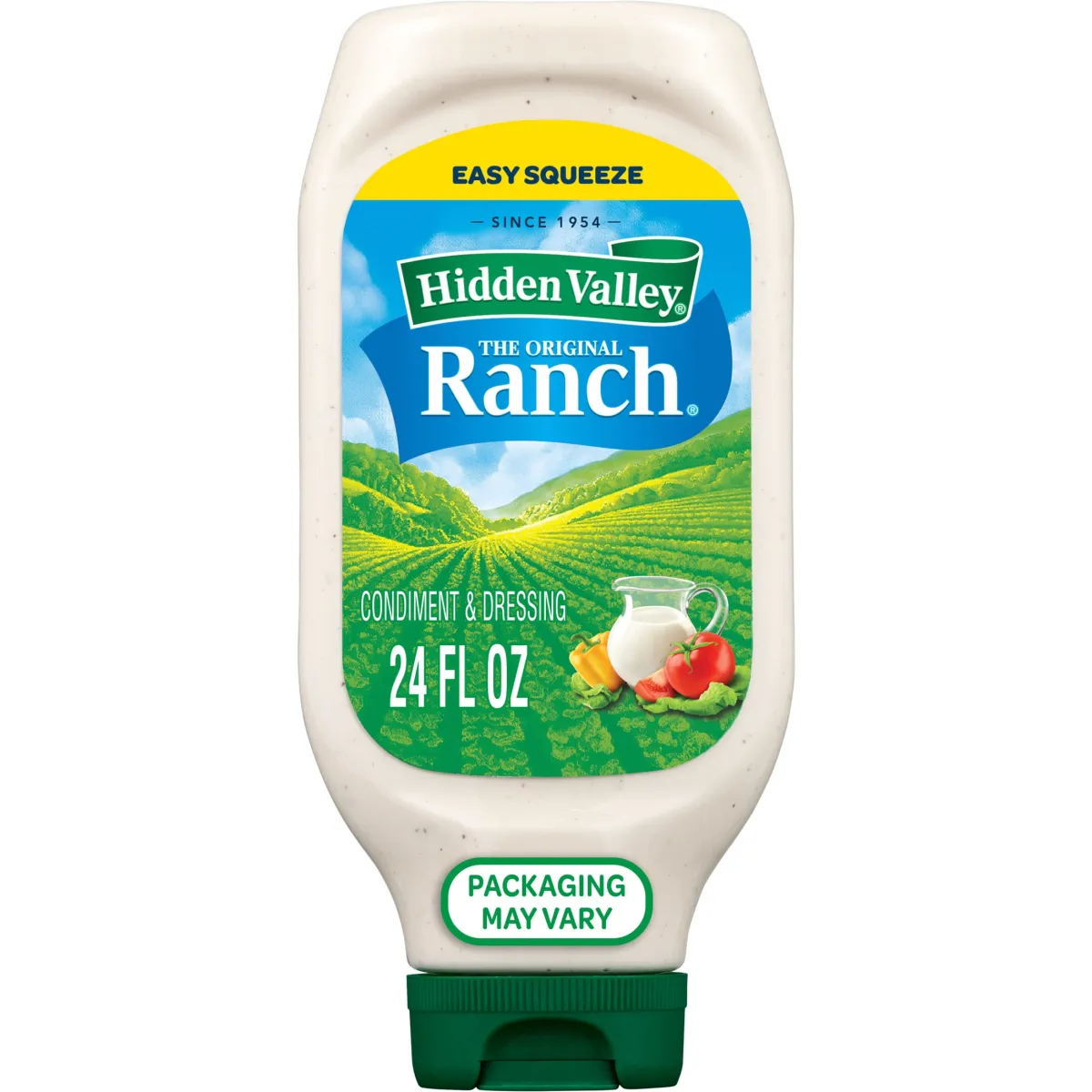 Photo: Hidden Valley Ranch, via i5.walmartimages.com
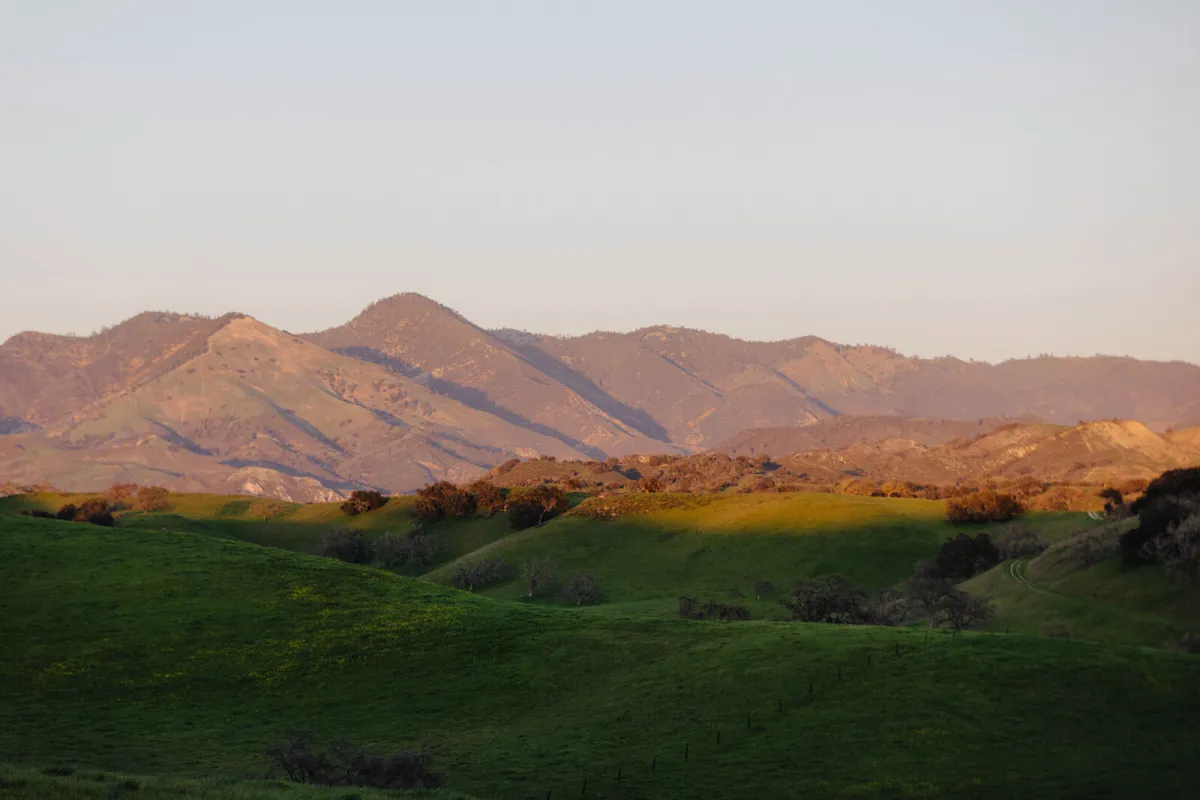 Photo: Santa Ynez Mountains, via www.visitsyv.com
The dressing Henson served at those meals became a problem almost immediately. Not because guests disliked it — quite the opposite. Visitors were so taken with it that they started asking if they could take some home. Then they started writing letters asking for the recipe. Then they started calling.
The Cave Operation
Here's where the story gets genuinely strange. The Hensons' property had a cave — a natural feature of the landscape — and Steve Henson began using it to mix and package his dressing to send to the guests who wouldn't stop requesting it. The cave provided a cool, relatively stable environment, which mattered when you were working with dairy-based ingredients before the era of industrial refrigeration logistics.
This wasn't a business yet, not really. It was a man in a cave, mixing dressing by hand, and mailing it to people who'd had dinner at his ranch. But the demand kept growing, and the Hensons eventually made a decision that would change American condiment culture: they started selling it as a dry seasoning packet, mixed to order with buttermilk and mayonnaise, which solved the refrigeration problem and made it possible to ship anywhere in the country.
For a dollar, you could get two packets and a small bottle of Hidden Valley Ranch dressing mix. You'd mix it yourself at home. It sounds almost quaint now.
The Clorox Pivot That Changed Everything
For years, the Hidden Valley Ranch brand grew steadily but remained a regional, somewhat niche product. The Hensons sold the brand in 1972 to Clorox — yes, the bleach company — for eight million dollars. It was an unusual acquisition for a cleaning products manufacturer, but Clorox was actively looking to diversify into consumer food products, and Hidden Valley Ranch had something most food brands would kill for: genuine, unsolicited consumer loyalty.
Clorox's most significant contribution to the ranch dressing story wasn't a new recipe or a marketing campaign. It was a technical solution. In 1983, the company's food scientists figured out how to stabilize the buttermilk-based dressing so it could be sold pre-mixed in a bottle without spoiling. This sounds mundane, but it was the breakthrough that turned ranch from a specialty item you mixed at home into the mass-market refrigerator staple it is today.
Once you could grab a bottle off a grocery shelf without having to mix anything, the dressing's reach exploded. Supermarkets could stock it in the condiment aisle. Restaurants could order it by the gallon. Food manufacturers started licensing the flavor for chips, dips, and frozen snacks.
How Ranch Became a Flavor Category
At some point in the 1990s, ranch stopped being just a salad dressing and became a flavor. Cool Ranch Doritos launched in 1986 and became one of the best-selling chip flavors in the country. Ranch-flavored pretzels, crackers, popcorn, and seasoning blends followed. The taste — that specific combination of buttermilk tang, garlic, dill, and onion — became so familiar to American palates that it could be applied to almost anything and feel immediately recognizable.
Today, ranch is used as a dipping sauce far more often than it's used on actual salads. Surveys consistently show that Americans reach for it with pizza, wings, vegetables, and fries before they think about lettuce. The original purpose — a creamy dressing for salad — is almost secondary to what ranch has become: a universal comfort condiment.
The Accident That Became a Category
Steve Henson died in 2007. He lived to see his cave-mixed dressing become a billion-dollar industry. The Hidden Valley Ranch brand alone generates over half a billion dollars in annual sales, and that's before counting all the licensed products, restaurant gallons, and generic store-brand imitations that exist specifically because ranch dressing became a defining American taste.
None of it was planned. A plumber cooked for construction workers in Alaska, then fed guests at a California ranch, then started mailing packets from a cave because people wouldn't stop asking. What you're putting on your pizza tonight is the direct descendant of that.