America Once Went to War Over Salt. Now We Dump It on Parking Lots.
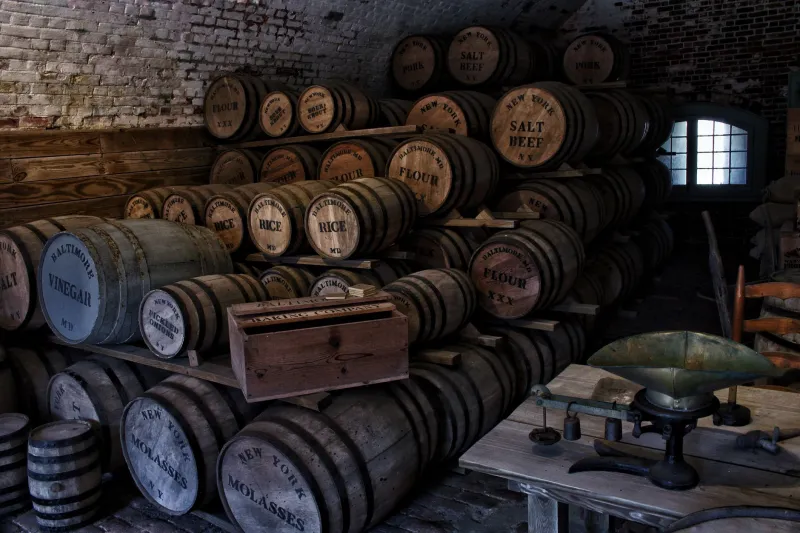
Somewhere in your kitchen right now, there is almost certainly a container of salt that cost less than two dollars and has been sitting next to the stove so long you've stopped seeing it. You shake it without thinking. You probably own a backup box. You may have a decorative grinder filled with pink Himalayan crystals that cost twelve dollars at Trader Joe's because regular salt felt too ordinary.
This is a genuinely strange place for salt to have ended up.
For most of human history — and for a significant stretch of American history specifically — salt was not ordinary. It was not cheap. It was not decorative. It was one of the most strategically important substances on earth, and the people who controlled it controlled a great deal more than seasoning.
Why Salt Was Worth Fighting Over
Before refrigeration, before canning, before the freezer humming in your garage, salt was the only reliable technology humans had for keeping food from killing them. Meat, fish, vegetables, butter — without salt, everything rotted. With it, food could survive months or years. Salt was the difference between eating through winter and starving through it.
This made salt a matter of national security in a way that's hard to fully appreciate today. During the American Revolutionary War, British forces specifically targeted colonial salt supplies, understanding that disrupting salt meant disrupting the Continental Army's ability to feed itself. Soldiers without preserved meat were soldiers who couldn't fight.
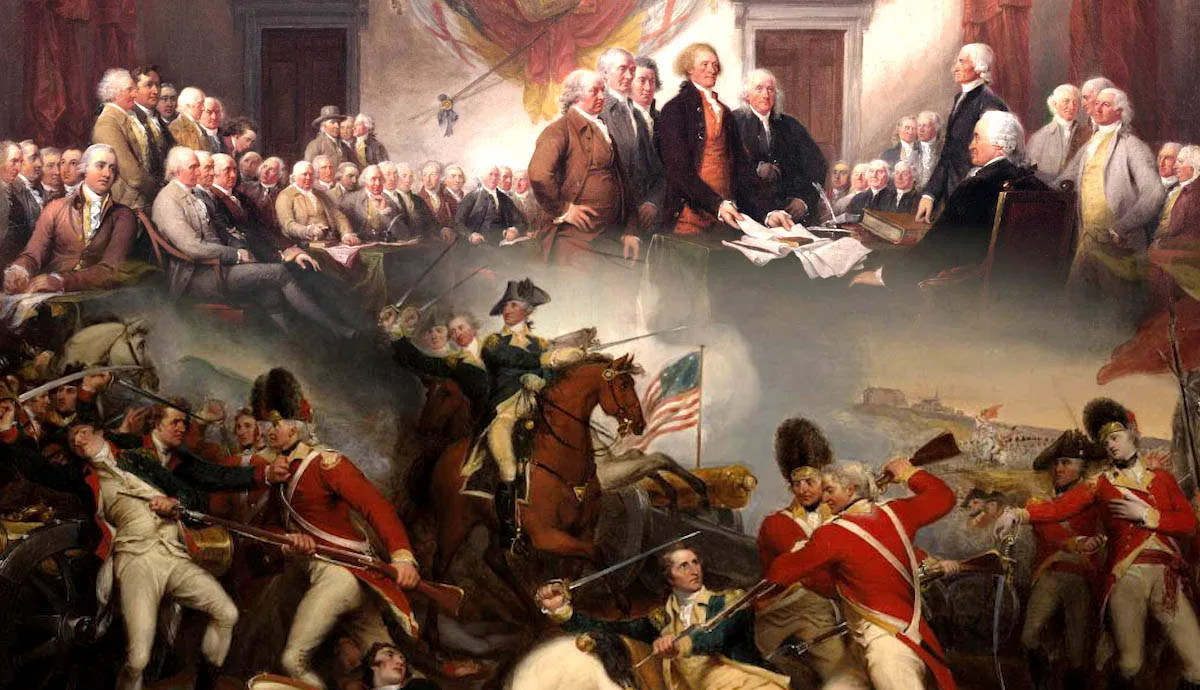 Photo: American Revolutionary War, via cdn.thecollector.com
The Erie Canal, completed in 1825, was partly justified by its ability to move salt from the massive deposits in central New York westward to a growing nation. Syracuse became known as "Salt City" because the salt industry there was so economically dominant it essentially built the region. Salt taxes funded governments. Salt shortages triggered panics.
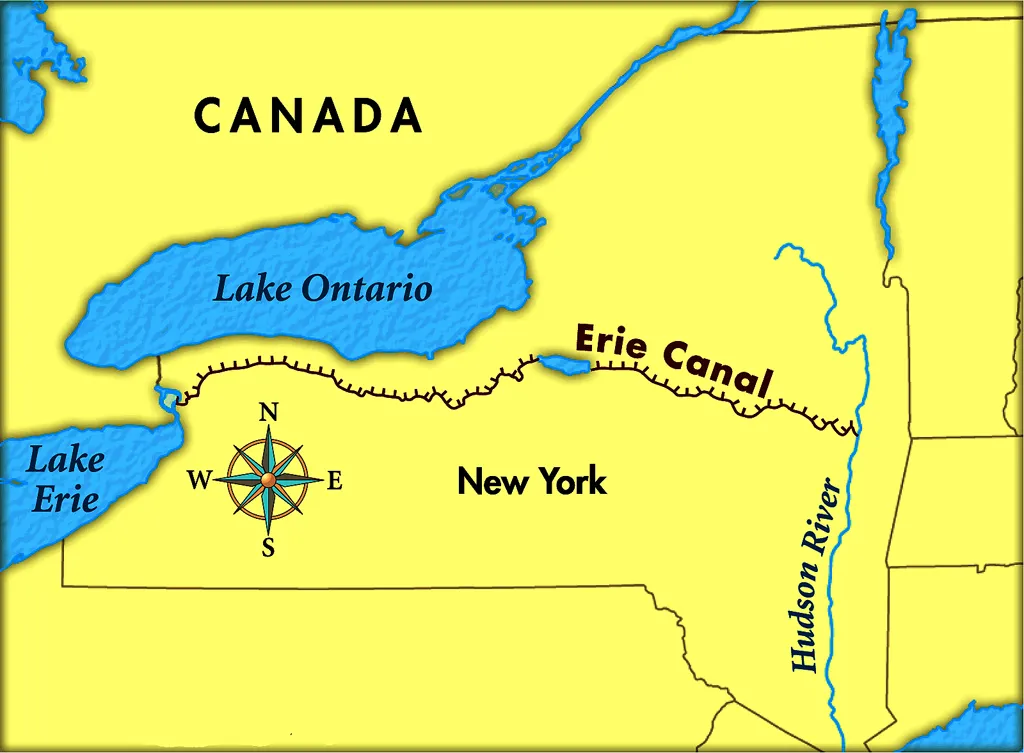 Photo: Erie Canal, via 3.bp.blogspot.com
In the Civil War, the Confederacy's inability to adequately supply salt to its troops and civilian population became a genuine strategic liability. Union forces destroyed Confederate salt works in Virginia and Florida as deliberate military targets — not because they were impressive fortifications, but because destroying salt meant destroying the South's ability to preserve food.
The Salt-Soaked American Palate
All of this strategic importance had a direct effect on what American food tasted like.
Before refrigeration became widespread in the late nineteenth and early twentieth centuries, the American diet was heavily built around preserved foods. Salt pork was a staple across economic classes. Salt cod fed enormous portions of the population, particularly in New England. Pickled vegetables, cured meats, brined fish — the flavor profile of everyday American eating was deeply, persistently salty in ways that modern palates would find almost aggressive.
This wasn't a preference. It was a preservation requirement. You didn't salt your pork because you liked the taste. You salted it because if you didn't, you wouldn't have pork in February.
The side effect was that Americans became accustomed to intense, salt-forward flavors as the baseline of what food was supposed to taste like. Fresh vegetables were a seasonal luxury. The default was preserved, and preserved meant salty.
When the Ice Man Cometh — And Salt Lost Its Job
The collapse of salt's cultural status happened in stages, and it tracked almost perfectly with the rise of cold storage technology.
First came commercial ice delivery, which began reaching American cities in meaningful quantities by the 1840s and 1850s. The icebox — a literal wooden box insulated with sawdust and loaded with a block of ice delivered to your door — gave urban households their first real alternative to salt preservation. Fresh meat could survive a few days. Dairy products stopped turning immediately. The reliance on heavy curing began to ease.
Then came mechanical refrigeration, which moved from industrial use into home kitchens through the 1920s and 1930s. By the time World War II ended and consumer refrigerators became standard American household equipment, the fundamental logic of the American kitchen had been overturned. You no longer needed to salt food to keep it. You could simply keep it cold.
Salt didn't disappear from cooking — it never will, because it genuinely improves flavor in ways that have nothing to do with preservation. But its role shrank from essential survival technology to one ingredient among many. And as the need for heavy preservation faded, the American palate began — slowly, generationally — to recalibrate toward fresher flavors.
From Sacred to Scattered on the Highway
The final act in salt's demotion is almost poetic in its absurdity.
Today the United States uses roughly eight million tons of salt per year on roads and highways during winter — more than is consumed as food. The substance that once determined the outcome of wars, shaped trade routes, built cities, and preserved the food supply of an entire civilization is now primarily used to keep parking lots from getting slippery.
Salt is so cheap and so abundant that we throw it away by the truckload without a second thought.
The pink Himalayan salt in your cabinet? It costs more per ounce than the road salt spread on the highway outside your house. That price difference isn't about chemistry — the minerals are essentially the same. It's about perception. We've made salt precious again, selectively, as a luxury signal, because we forgot what it actually meant when it was precious for real.
Somewhere between the salt works of Syracuse and the de-icing trucks of a January morning in Ohio, one of history's most powerful commodities became something we don't think about at all. Which might be the most remarkable thing salt has ever done.