Rich Diners Used to Order Whatever They Wanted Until Restaurants Fought Back With Price Lists
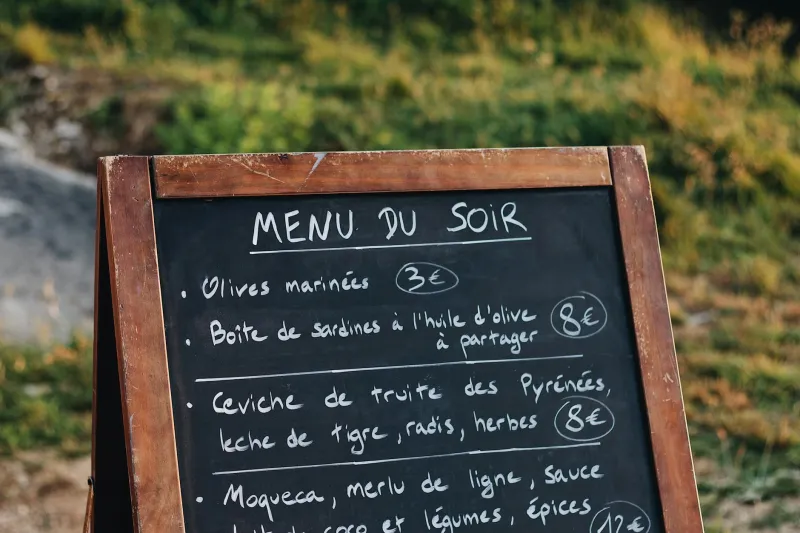
Walk into any American restaurant today and you'll find a menu with prices clearly marked next to every dish. This seems so natural, so obvious, that questioning it feels almost absurd. But this simple system — dish name, description, price — represents one of the most important business innovations in hospitality history, born from sheer desperation.
When Customers Ruled the Kitchen
In early 19th century America, dining establishments operated more like private clubs than modern restaurants. Wealthy patrons would stride in and announce their desires: "I'll have roasted duck with cherries, but make the sauce with port instead of wine. And I want it served with those little potatoes from France, not your regular ones."
Restaurant owners had no choice but to scramble. They'd send runners to markets searching for exotic ingredients, pull their best cooks off other orders, and hope they could create something that satisfied their demanding clientele. At the end of the meal, they'd essentially guess what to charge based on the customer's apparent wealth and the complexity of their requests.
"It was culinary chaos," says restaurant historian Rebecca Spang. "Establishments lived in constant fear of bankruptcy because they never knew if a single customer might order ingredients worth more than their weekly profits."
Delmonico's in New York, one of America's first fine dining establishments, kept detailed records of this era. Their archives reveal orders for "turtle soup with champagne" in January (when neither turtles nor champagne were readily available), "fresh salmon prepared in the French style" during months when salmon weren't running, and "a cake exactly like the one served at the Astors' last Tuesday" — requiring staff to somehow spy on competing establishments.
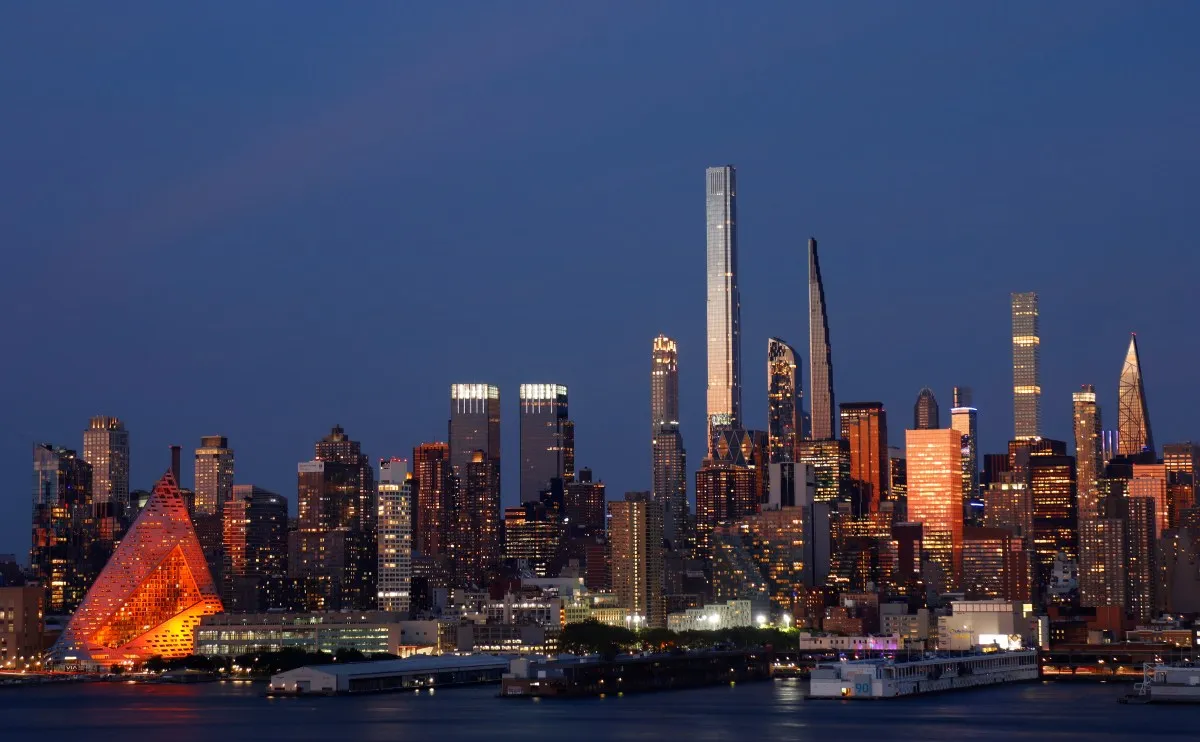 Photo: New York, via www.insidehook.com
The Great Menu Revolution
The solution emerged gradually through trial, error, and near-bankruptcy experiences. Restaurant owners began creating lists of available dishes with fixed prices, initially as internal planning documents. These early "bills of fare" helped kitchens prepare appropriate quantities and allowed owners to calculate potential profits.
The breakthrough came when restaurateurs realized they could show these lists to customers before they ordered. Suddenly, diners had to choose from available options rather than inventing their own. More importantly, they knew exactly what everything cost before committing to purchase.
The first printed menu with prices appeared at the Union Coffee House in New York around 1834. Owner Samuel Fraunces (yes, the same Fraunces from the famous tavern) had grown tired of wealthy merchants ordering elaborate meals then arguing about bills. His simple innovation: a single-page list with 12 dishes and their costs, posted prominently near the entrance.
 Photo: Union Coffee House, via swmichigan.org
Competitors initially mocked Fraunces for "limiting customer choice" and "displaying common trade practices." Within five years, most had copied his system.
The Psychology of the Price Tag
Fixed-price menus didn't just solve logistical problems — they fundamentally changed how Americans thought about dining out. Before printed prices, eating at restaurants was a negotiation between customer desire and restaurant capability. Afterward, it became a straightforward transaction.
This shift had unexpected consequences. Customers began comparing value across establishments, leading to the first restaurant price wars. Middle-class diners, previously intimidated by unclear costs, started venturing into establishments they'd avoided. Restaurant owners could finally predict daily revenue and plan accordingly.
The menu also democratized dining in ways nobody anticipated. When prices were negotiated case-by-case, wealthy customers received better treatment and more elaborate dishes. Fixed menus meant everyone paid the same amount for the same food, regardless of their apparent social status.
From Survival Strategy to Marketing Tool
What began as a defensive business practice evolved into sophisticated marketing. By the 1850s, restaurants were using menu design to influence customer choices. They discovered that expensive items placed next to moderate ones made the moderate options seem more reasonable. They learned that descriptive language could justify higher prices.
The Civil War accelerated menu adoption as restaurants faced ingredient shortages and needed precise inventory control. Establishments that relied on custom orders couldn't adapt quickly enough to supply disruptions. Those with fixed menus simply crossed out unavailable items and continued operating.
By 1900, the printed menu had become so standard that restaurants without them seemed primitive or suspicious. The innovation that started as a desperate attempt to control costs had transformed into an essential business tool.
Your Applebee's Inheritance
That laminated menu at your local chain restaurant represents the endpoint of this evolution. Every design choice — from font sizes to color schemes to item placement — reflects 150 years of accumulated knowledge about customer psychology and restaurant economics.
The next time you scan a menu, remember that you're participating in a system created by overwhelmed 19th century restaurant owners who just wanted to know what they were selling before they sold it. The simple act of reading a price list represents one of capitalism's quieter victories: the moment when businesses learned to set boundaries with their customers, and customers learned to accept them.