Americans Bought Electric Toasters for 19 Years Before Anyone Invented Something to Toast
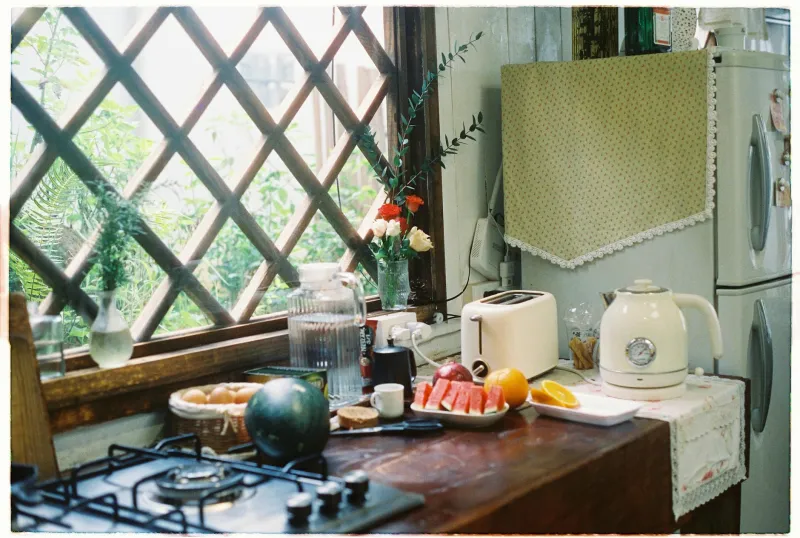
Picture this: You're a well-to-do American homeowner in 1915, proudly showing off your shiny new electric toaster to the neighbors. The gleaming appliance sits on your kitchen counter, a symbol of modern convenience and technological progress. There's just one problem — you have to hack away at a whole loaf of bread with a knife every time you want toast.
The Cart Before the Horse
The General Electric Company introduced the first electric pop-up toaster in 1909, marketed as the ultimate kitchen convenience for the modern American family. Sales were brisk among early adopters eager to embrace electrical appliances. But these pioneering toaster owners faced a daily struggle that seems almost comical today: creating uniform slices thin enough to fit in their machines.
Bakers sold bread as complete loaves, just as they had for centuries. Home cooks wielded large bread knives, sawing through crusty exteriors and soft interiors, trying to achieve slices that wouldn't jam their expensive new gadgets. Most attempts resulted in lopsided chunks — some paper-thin, others thick as doorstops.
"The electric toaster created a problem it couldn't solve," explains food historian Janet Clarkson. "People owned this amazing device but spent ten minutes preparing food for a machine designed to save them time."
 Photo: Janet Clarkson, via images.findagrave.com
When Sliced Bread Finally Arrived
Otto Frederick Rohwedder had been tinkering with bread-slicing machines since 1912, but bakers resisted his invention. They worried that pre-sliced bread would go stale faster, crumble during transport, and look unappetizing on store shelves. For over a decade, Rohwedder faced rejection after rejection.
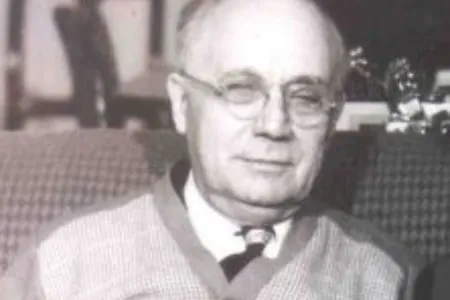 Photo: Otto Frederick Rohwedder, via unbelievable-facts.com
Everything changed when the Chillicothe Baking Company in Missouri finally agreed to test Rohwedder's machine in 1928. Their "Kleen Maid Sliced Bread" flew off shelves. Within months, bakeries across America were installing slicing machines to meet consumer demand.
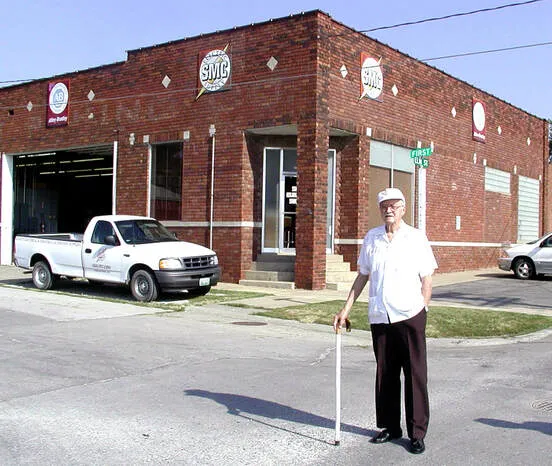 Photo: Chillicothe Baking Company, via chillicothedowntownhistorictour.weebly.com
The timing wasn't coincidental. By 1928, millions of American households owned electric toasters. These frustrated appliance owners represented a massive, ready-made market for pre-sliced bread. Rohwedder's invention didn't create demand — it satisfied nearly two decades of pent-up frustration.
The Backwards Revolution
This reversed timeline reveals something fascinating about American innovation culture. The toaster succeeded not because it solved an existing problem, but because it created a new desire. Early adopters bought toasters for the promise of convenience, then spent years making that promise come true through pure determination and very sharp knives.
Advertisements from the 1920s capture this strange period perfectly. Toaster companies published detailed guides on "proper bread preparation techniques," complete with diagrams showing optimal slicing angles. One 1924 Westinghouse ad cheerfully advised customers to "practice your slicing skills" to "maximize your toaster investment."
Meanwhile, knife manufacturers capitalized on the toaster boom by marketing specialized "toaster bread knives" with extra-thin blades designed for creating uniform slices. Kitchen supply stores reported surge in sales of bread guides — wooden contraptions with slots to help home cooks maintain consistent slice thickness.
Why This Matters Today
The phrase "the greatest thing since sliced bread" emerged in the 1930s, but it actually undersells the innovation. Sliced bread wasn't just great — it was the missing piece that made an entire category of kitchen appliances finally work as advertised.
This backwards invention story repeats throughout American consumer culture. Think about early smartphones without app stores, or DVD players before Netflix existed. We often buy technology for what it might become, not what it currently does.
The toaster-bread timeline also explains why certain food innovations spread so rapidly once they arrive. Sliced bread succeeded instantly because millions of Americans had been waiting for it without realizing they were waiting. Sometimes the best inventions don't create new markets — they complete existing ones.
Next time you drop bread into your toaster, remember those pioneering Americans who spent 19 years making their morning routine work through sheer stubborn optimism. They bought the solution before anyone had properly defined the problem, then spent two decades proving they were right to do so.