Your Milk's Expiration Date Is a Lie — And It's Costing You Thousands
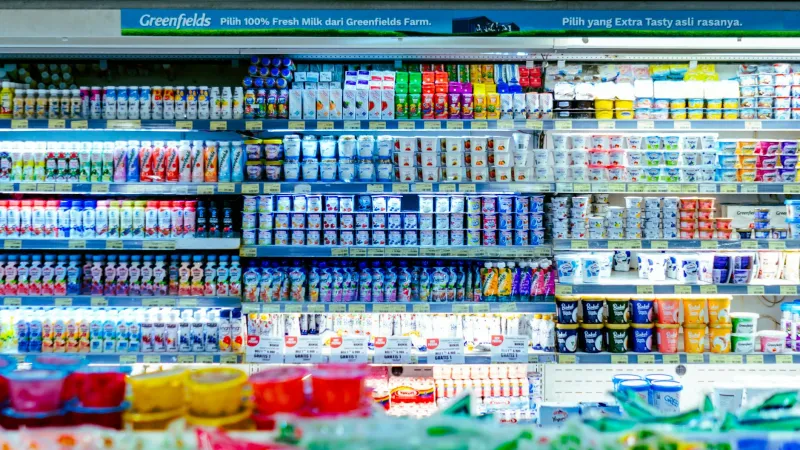
The Date That Never Meant What You Think
Every week, millions of Americans perform the same ritual: they check the date stamped on their milk carton, yogurt container, or bread bag, and if it's past that magic number, straight into the trash it goes. But here's the thing nobody tells you — those dates were never about your safety. They were about making sure grocery stores could move products off their shelves efficiently.
The "expiration date" as we know it today didn't exist before the 1970s. Before then, Americans relied on their senses — smell, sight, taste — to determine if food had gone bad. Your grandmother didn't need a printed date to tell her if milk had soured or bread had molded. She opened the container and checked.
When Supermarkets Invented Time Limits
The dating system emerged from a very specific problem: the rise of massive supermarket chains. As grocery stores grew larger and carried more inventory, store managers needed a way to track which products had been sitting on shelves the longest. The solution was simple — stamp a date on everything.
These dates weren't safety standards. They weren't mandated by the FDA. They were inventory management tools, designed to help stock clerks know which items to rotate to the front and which ones to pull when new shipments arrived.
The terminology was deliberately vague: "best by," "sell by," "use by." Each phrase meant something slightly different to retailers, but to consumers, they all sounded like warnings. The food industry liked it that way — unclear language meant people would err on the side of caution and throw things away sooner rather than later.
The Great Misunderstanding
Somewhere between the grocery store stockroom and your kitchen, Americans began treating these inventory dates like federal safety regulations. The transformation was gradual but total. By the 1990s, most consumers believed that eating food past its printed date was dangerous, even though the dates had nothing to do with food safety.
The confusion runs so deep that surveys show 90% of Americans have thrown away food based solely on the date label, and 40% always discard items past their "expiration" date regardless of how the food looks, smells, or tastes.
Here's what those dates actually mean:
- "Sell by" dates are for store employees, indicating when to rotate stock
- "Best by" dates suggest when quality might start to decline, not when food becomes unsafe
- "Use by" dates are the manufacturer's estimate of peak freshness
None of these dates indicate when food becomes dangerous to eat. That determination still requires the same skills your grandmother used — your senses.
The Hidden Cost of Manufactured Urgency
This misunderstanding isn't just wasteful — it's expensive. The Natural Resources Defense Council estimates that American families throw away $1,500 worth of perfectly edible food every year, much of it based on date confusion.
Milk doesn't suddenly turn poisonous at midnight on its "best by" date. Yogurt doesn't become toxic the day after its "sell by" stamp. Bread doesn't transform into a health hazard when the calendar flips past its suggested date. Yet Americans discard billions of pounds of safe, nutritious food annually because they've been conditioned to trust a date stamp over their own judgment.
Why the System Persists
The food industry has little incentive to clarify the confusion. When consumers throw away products early and buy replacements, sales increase. When people purchase items with the longest dates possible, inventory moves faster. The current system serves everyone except the consumer.
Meanwhile, the federal government has largely stayed out of date labeling except for infant formula (the only product with federally regulated expiration dates). States have created a patchwork of different rules, adding to the confusion rather than clearing it up.
Learning to Trust Your Senses Again
The solution isn't complicated, but it requires unlearning decades of conditioning. Before you throw away that yogurt or toss that loaf of bread, actually examine it. Does it smell off? Is there visible mold? Does it taste strange?
Most foods remain safe and nutritious well beyond their printed dates. Canned goods can last years. Dry goods like pasta and rice stay edible indefinitely if stored properly. Even dairy products often remain perfectly fine days or weeks past their labels.
The Real Expiration Date
The next time you're about to throw away food because of a date stamp, remember: that number was printed by someone trying to manage inventory, not protect your health. The real expiration date is when your food actually goes bad — something no printed label can predict.
Your senses evolved over millions of years to detect spoiled food. A date stamped by a machine in a factory three weeks ago? That's just someone's guess about shelf life, dressed up to look like scientific certainty.
Trust your nose. Trust your eyes. Trust your taste buds. They're far more reliable than any date stamp ever will be.