The Cereal Aisle Convinced America That Skipping Breakfast Would Kill You
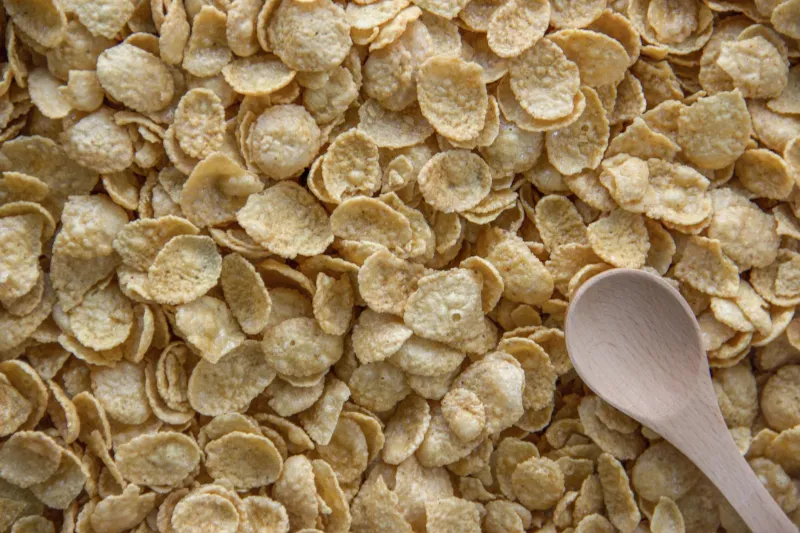
The Meal That Didn't Exist
For most of human history, breakfast wasn't a thing. Medieval peasants ate when they had food available. Colonial Americans might grab some leftover bread or cold meat if they were lucky. The idea of sitting down to a dedicated morning meal — complete with specific breakfast foods, breakfast dishes, and breakfast rituals — would have seemed bizarre to your great-great-grandmother.
Then, sometime between 1880 and 1920, breakfast became not just a meal but a moral obligation. Skipping it became tantamount to self-destruction. Eating it became a patriotic duty. And behind this dramatic cultural shift stood a small group of entrepreneurs in Battle Creek, Michigan, who had figured out how to turn corn into gold.
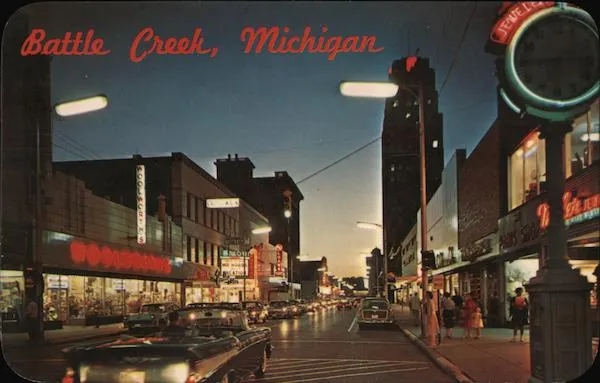 Photo: Battle Creek, Michigan, via www.cardcow.com
The Doctor Who Invented Modern Eating
John Harvey Kellogg wasn't trying to create a breakfast empire when he opened his sanitarium in Battle Creek in 1876. He was trying to save souls through proper digestion. As a Seventh-day Adventist, Kellogg believed that what people ate directly affected their spiritual and physical health.
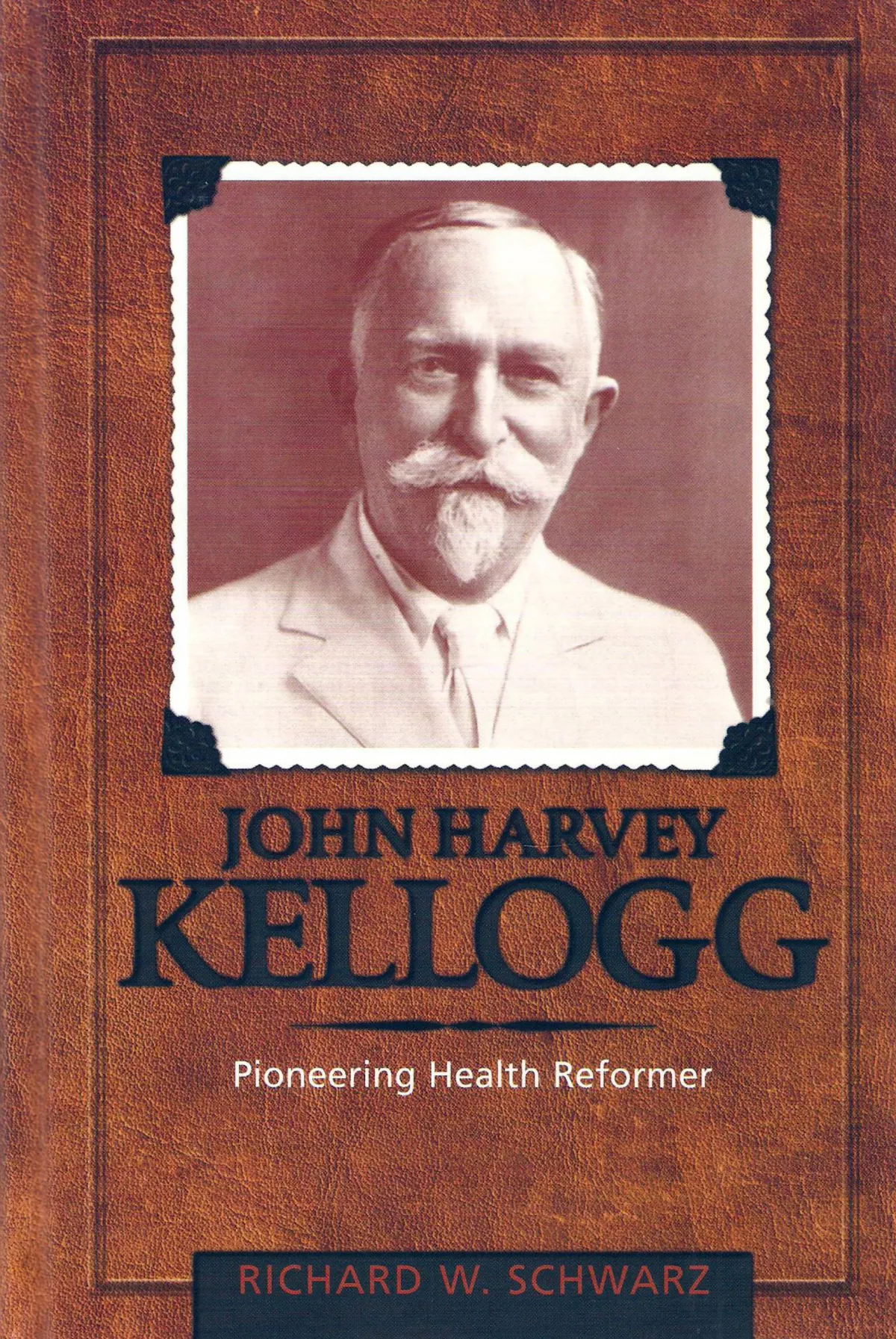 Photo: John Harvey Kellogg, via adventistheritage.org
His patients — wealthy Americans seeking cures for everything from depression to digestive troubles — were fed a strict diet of bland, easily digestible foods. No meat, no spices, no stimulants like coffee or tea. Instead, Kellogg served them various combinations of grains, nuts, and vegetables, often in forms he'd invented himself.
One of these inventions was a crispy, flaked cereal made from corn. Patients at the sanitarium ate it as part of their medical treatment, not as a consumer product. But Kellogg's brother Will saw something different: a business opportunity.
When Medicine Became Marketing
Will Kellogg understood that most Americans weren't interested in his brother's religious dietary theories, but they might be very interested in the idea that eating certain foods could make them healthier, more energetic, and more successful.
He began marketing cornflakes not as sanitarium food but as scientific nutrition. Early Kellogg's advertisements claimed that their cereals could cure everything from malaria to loose teeth. The company hired doctors to endorse their products and published pamphlets explaining the "science" of proper breakfast nutrition.
The message was simple but revolutionary: the first meal of the day determined your entire day's success. Skip breakfast, and you'd be sluggish, unproductive, and unhealthy. Eat the right breakfast — specifically, a bowl of processed cereal — and you'd have energy, focus, and vitality.
The Competition Joins the Campaign
Kellogg's success attracted competitors, and soon Battle Creek was home to dozens of cereal companies, each making increasingly bold health claims. C.W. Post, founder of Post Cereals, claimed his "Grape-Nuts" could cure appendicitis and malaria. He ran newspaper ads warning that coffee would destroy your nervous system, but a bowl of his cereal would restore it.
 Photo: C.W. Post, via townsquare.media
These companies didn't just sell cereal — they sold a complete ideology about morning nutrition. They funded studies, published nutrition guides, and even lobbied schools to teach children about the importance of breakfast. The campaign was so successful that by 1920, most Americans believed that breakfast was nutritionally essential, even though the vast majority of human history suggested otherwise.
The Science That Wasn't Science
The early breakfast studies that cereal companies loved to cite were often conducted by the companies themselves or by researchers they funded. The methodology was questionable at best. Studies would compare children who ate cereal for breakfast to children who ate nothing at all, then conclude that breakfast was essential — conveniently ignoring the fact that any food would probably improve performance compared to no food.
Real nutritional science was still in its infancy. Vitamins hadn't been discovered yet. The concept of balanced nutrition was poorly understood. But cereal companies presented their marketing claims as established medical fact, and most consumers had no way to verify or challenge these assertions.
The companies also benefited from broader cultural changes. As Americans moved from farms to cities, from physical labor to office work, the idea of starting the day with energy-boosting food became more appealing. Cereal promised to deliver that energy in a convenient, modern package.
Building a Breakfast Culture
By the 1930s, cereal companies had successfully created not just demand for their products but an entire cultural framework around morning eating. They'd convinced Americans that:
- Breakfast was nutritionally different from other meals and required special foods
- Children who skipped breakfast would perform poorly in school
- Adults who skipped breakfast would be less productive at work
- Certain breakfast foods (especially cereal) were scientifically superior to others
This wasn't just marketing — it was cultural engineering. The companies had taken a meal that barely existed in 1880 and made it feel ancient, essential, and scientifically validated by 1950.
The Myth That Became Truth
The most lasting achievement of the cereal industry's campaign was the phrase "breakfast is the most important meal of the day." This wasn't a conclusion reached by independent nutritionists studying human dietary needs. It was a marketing slogan, created by advertising executives and repeated so often that it became accepted as nutritional wisdom.
Modern nutrition research suggests a more complicated picture. Some people do better with breakfast, others don't. Meal timing appears to be highly individual. The idea that everyone needs to eat within a few hours of waking has little scientific support outside of specific medical conditions.
But by the time independent nutrition science caught up, the breakfast mythology was already embedded in American culture. Parents felt guilty if they didn't feed their children breakfast. Adults worried about their health if they skipped morning meals. The cereal companies had won so completely that questioning breakfast felt like questioning nutrition itself.
The Billion-Dollar Habit
Today, breakfast cereal is a $20 billion industry, built on a foundation of century-old marketing claims that were never scientifically validated. Americans consume 2.7 billion boxes of cereal annually, much of it eaten by people who believe they're following essential nutritional guidelines rather than participating in one of history's most successful marketing campaigns.
The next time you feel guilty about skipping breakfast or worry that you're not starting your day with the "right" foods, remember: those feelings aren't based on nutritional science. They're the lingering effects of a campaign designed to sell cornflakes to people who had gotten along just fine without them for thousands of years.
Breakfast isn't the most important meal of the day. It's the most successfully marketed meal of the day. And that's a very different thing.