Sick Patients Ate From Divided Trays — Then America Made That the Blueprint for Normal
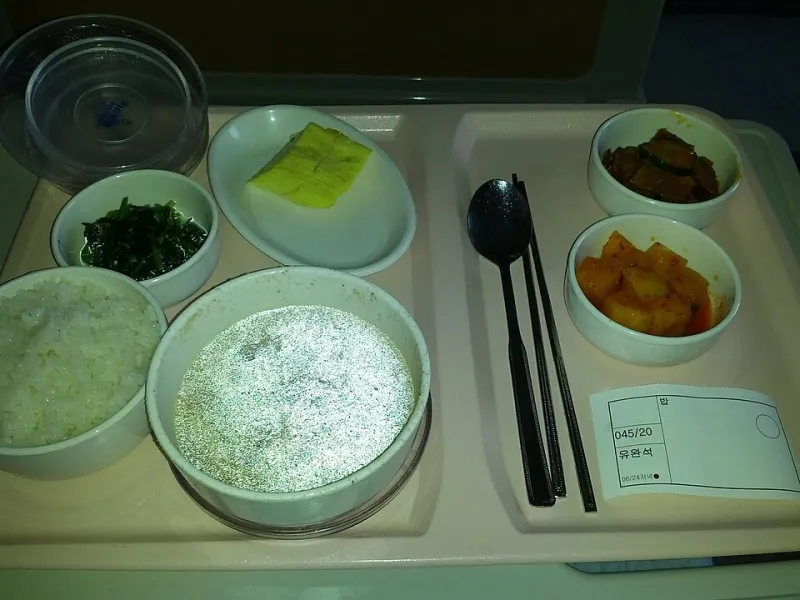
Photo: U2em, CC BY-SA 3.0, via Wikimedia Commons
Think about what a balanced meal is supposed to look like. Chances are, a fairly specific image comes to mind: a protein taking up roughly a third of the plate, a starch beside it, a vegetable filling out the rest, maybe a small dessert off to the side. Neat. Portioned. Organized. Separate.
Now ask yourself where that image came from. Not from any ancient food tradition. Not from a grandmother's kitchen. The clearest ancestor of that picture is a hospital tray — designed not for pleasure, not for culture, not even for nutrition as we understand it today, but for the logistical management of sick people who needed to be fed quickly, consistently, and without argument.
Hospitals Had a Feeding Problem
In the mid-19th century, American hospitals were chaotic places, and feeding patients was one of the messier parts of that chaos. There was no standardized approach. Patients in different wards ate different things at different times, served in different vessels. Tracking who had eaten what — critical information when patients were on restricted diets or recovering from surgery — was nearly impossible.
Florence Nightingale, working in British military hospitals during the Crimean War in the 1850s, was among the first to argue that feeding patients needed to become a system, not an improvisation. She kept detailed records of what patients consumed, pushed for standardized preparation, and insisted that nutrition was a medical intervention, not a domestic afterthought. Her influence spread to American hospital administration over the following decades.
 Photo: Crimean War, via cdn.history.com
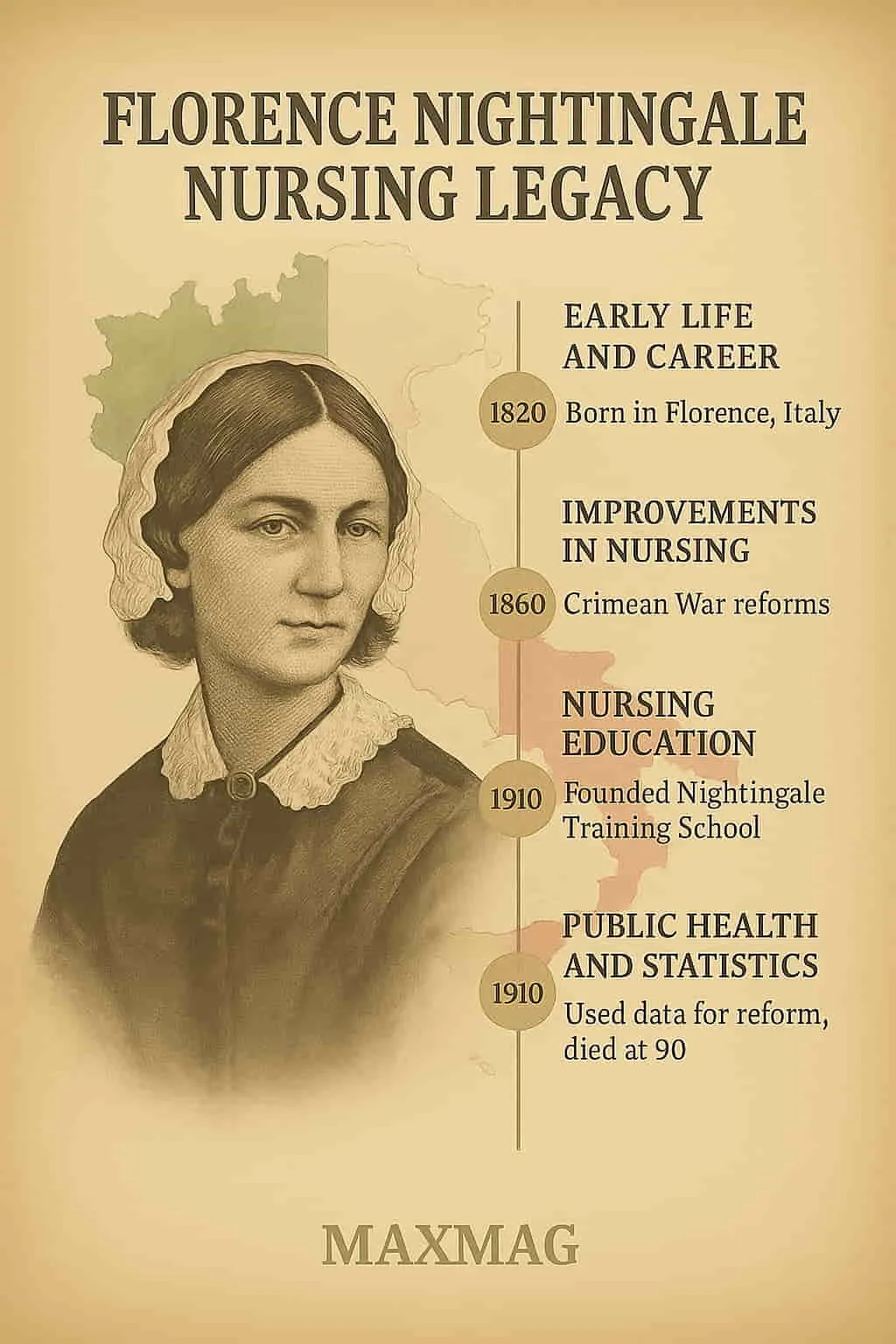 Photo: Florence Nightingale, via maxmag.org
By the early 20th century, American hospitals were developing what would become the institutional meal tray: a standardized, portioned, compartmentalized serving system designed to move food efficiently from kitchen to bedside, ensure that patients received specific quantities of specific foods, and make it easy for nurses to see at a glance what had been consumed.
The divided tray — with its separate wells for the main dish, the starch, the vegetable, and the beverage — wasn't a statement about how meals should be composed. It was an engineering solution to a logistics problem.
The Government Noticed the Tray
The hospital tray's real cultural leap came in the mid-20th century, when the federal government became deeply interested in the question of what Americans should be eating — and how to communicate that at scale.
World War II had revealed a nutrition problem hiding in plain sight. When the military began processing millions of draftees, a startling number were rejected for physical deficiencies linked to poor diet. Rickets, anemia, dental decay — conditions that better nutrition could have prevented. The government responded by investing heavily in nutritional science and public education.
The result, in 1943, was the National Wartime Nutrition Program and its visual centerpiece: the Basic Seven food groups, later simplified and refined into what most Americans over 40 remember as the Four Food Groups, introduced in 1956. The goal was to give ordinary Americans a simple, visual framework for building a balanced meal.
And the framework they landed on — separate categories of food, portioned and arranged in distinct compartments — looked remarkably like a hospital tray. Because in many ways, it was built on the same logic: standardization, legibility, control.
The School Cafeteria Adopts the System
The National School Lunch Program, launched in 1946, needed to feed millions of children across thousands of schools in a way that was nutritionally defensible, operationally manageable, and cheap. The hospital tray — or more precisely, the stainless steel institutional tray with its molded compartments — was the obvious tool.
 Photo: National School Lunch Program, via i.ytimg.com
School cafeteria trays didn't just carry food. They taught children a lesson about what a meal was supposed to contain. Every day, a child picked up a tray, moved down a line, and received food in designated compartments: the main dish here, the vegetable there, the milk in the corner, the fruit or dessert in its own separate section. The tray was a physical argument about meal composition, repeated five days a week for twelve years of schooling.
Generations of Americans learned what a complete meal looked like not from their parents or their culture, but from a stainless steel tray in a school gymnasium. The lesson was subtle but persistent: a meal has distinct, separate components. They don't touch. Each one has its proper place.
Airlines Took the Idea Airborne
If school cafeterias embedded the portioned tray in American childhood, the airline industry embedded it in American aspiration. Commercial air travel in its postwar golden age was marketed as glamorous — a refined experience available to the prosperous modern American — and the in-flight meal was a key part of that theater.
Early airline meals were served on divided trays that organized each course into its own compartment, creating an orderly, visually legible meal that passengers could eat in a cramped seat without catastrophe. The format was practical, but it was also presented as elegant. Advertisements showed smiling passengers eating beautifully organized little meals from neat trays, and for millions of Americans who were flying for the first time, this was what a sophisticated meal looked like.
The airline tray reinforced the same visual grammar the hospital had established and the school cafeteria had drilled: separate components, clear portions, everything in its place.
MyPlate and the Tray's Lasting Shadow
In 2011, the USDA retired the long-running Food Pyramid — which had its own complicated history of industry lobbying and nutritional compromise — and replaced it with MyPlate: a simple circular graphic divided into four sections, with a small circle beside it representing dairy. Protein, grains, vegetables, fruits. Separate. Portioned. Visually organized.
It looks almost exactly like a divided meal tray.
The official rationale was clarity — Americans found the pyramid confusing, and a plate-shaped diagram was more intuitive. But the intuition it was drawing on had been built over decades by hospitals, school cafeterias, and airline food service. Americans recognized the image because they'd been eating from its physical equivalent since childhood.
What the Tray Left Out
The portioned, compartmentalized meal is genuinely useful as a rough nutritional framework. But it carries some cultural baggage that rarely gets examined. It was designed for institutional efficiency, not for the way food actually functions in most human cultures — where dishes are shared, where courses blend into each other, where a meal is a social event rather than a compliance exercise.
The tray said: this is what eating correctly looks like. It didn't say: this is one approach, developed for a specific context, by people solving a specific problem.
And so Americans inherited a medical instrument as a cultural ideal — a tool designed for sick people in hospital beds, repackaged as the image of healthy, normal, properly organized life.
The tray did its job. It just never stopped.