The Dairy Industry Convinced America That Everything Tastes Better With Cheese
The Topping That Conquered America
Americans put cheese on everything. Burgers, fries, baked potatoes, nachos, pizza, casseroles, scrambled eggs, broccoli, and vegetables that never asked for dairy intervention. Walk through any American restaurant or grocery store, and you'll find cheese integrated into dishes that would confuse visitors from countries where cheese is treated as a specific ingredient rather than a default enhancement.
This isn't cultural instinct or ancient tradition. It's the result of one of the most successful food marketing campaigns in American history — a decades-long effort by dairy industry groups to solve a very practical business problem: what do you do when you have way more cheese than people want to eat?
The Surplus Problem That Changed How America Eats
In the early 1900s, American dairy production was exploding thanks to improved refrigeration, better transportation networks, and industrial farming techniques. Farmers could produce more milk than ever before, which meant more butter, more cream, and crucially, more cheese. But there was a problem: cheese spoiled quickly, and Americans weren't eating nearly enough of it to keep up with production.
Dairy cooperatives and food manufacturers found themselves with warehouses full of cheese that needed to move before it went bad. Traditional cheese varieties like cheddar and Swiss had limited shelf life and required specific storage conditions. Something had to change, or a lot of dairy farmers were going to lose money.
The solution came from food scientists who figured out how to process cheese into products that lasted longer, melted more predictably, and could be mass-produced at industrial scale. Processed cheese, cheese spreads, and eventually cheese sauces could sit on shelves for months and perform consistently in commercial kitchens.
When World War II Made Cheese Strategic
World War II transformed cheese from a surplus problem into a strategic advantage. The U.S. military needed portable, protein-rich foods that could feed soldiers in the field and workers in defense plants. Processed cheese fit perfectly — it was shelf-stable, calorie-dense, and familiar enough that American GIs would actually eat it.
Food manufacturers landed massive government contracts to supply processed cheese products to the military. Companies like Kraft scaled up production to unprecedented levels, perfecting techniques for mass-producing cheese that could be shipped anywhere and added to almost any meal.
When the war ended, these companies had enormous production capacity and a generation of Americans who'd grown accustomed to eating cheese as a regular part of their diet. The infrastructure was in place to make cheese ubiquitous — they just needed to convince civilians that everything tasted better with dairy on top.
The Marketing Machine That Made Cheese Essential
The dairy industry's post-war marketing campaign was sophisticated and relentless. Industry groups like the American Dairy Association and the National Dairy Council launched coordinated efforts to position cheese as an essential component of the American diet.
They funded research that promoted the nutritional benefits of dairy consumption. They developed recipes that incorporated cheese into traditional American dishes. They worked with restaurants and food service companies to create menu items that featured cheese prominently. Most importantly, they convinced Americans that cheese wasn't just an ingredient — it was an improvement.
The "cheese makes it better" message appeared everywhere. Cookbooks featured cheese-topped casseroles as modern, convenient dinners for busy families. Magazine advertisements showed happy families enjoying cheese-enhanced versions of familiar foods. Restaurant chains built entire menu categories around items that were essentially vehicles for melted cheese.
The Science of Melted Cheese Addiction
The dairy industry's marketing success wasn't just about advertising — it was based on real understanding of how cheese affects taste and satisfaction. Melted cheese adds fat, salt, and umami flavors that make almost any food more appealing to human taste preferences.
Food scientists working for dairy companies figured out how to optimize cheese formulations for specific applications. They created cheese blends that melted smoothly on burgers, cheese sauces that clung to french fries, and processed cheeses that delivered consistent flavor and texture in mass-produced foods.
The result was a feedback loop: as Americans ate more cheese-topped foods, they developed stronger preferences for the taste and texture that melted cheese provided. Restaurants and food manufacturers responded by adding cheese to more menu items, which reinforced the expectation that cheese belonged on everything.
From Surplus Solution to Cultural Identity
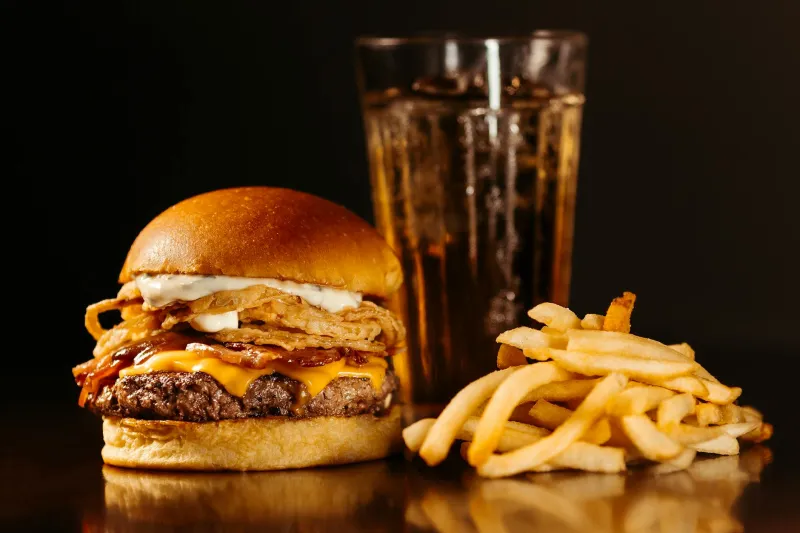
By the 1970s and 80s, putting cheese on food had become so deeply embedded in American eating habits that it felt natural rather than engineered. Fast food chains built their identities around cheese-heavy menu items. The cheeseburger became more popular than the hamburger. Nachos, a Tex-Mex invention that's essentially an excuse to eat melted cheese, became stadium food.
The dairy industry had successfully transformed a production surplus into a cultural preference. Americans weren't just eating more cheese — they were expecting it. A burger without cheese felt incomplete. Fries without cheese sauce seemed plain. Vegetables needed cheese to be palatable.
The Numbers Behind America's Cheese Obsession
Today, Americans consume about 33 pounds of cheese per person annually — more than any other country except Denmark. Most of that cheese isn't eaten on its own but as an ingredient or topping in other foods. Pizza accounts for about 35% of all cheese consumption in the United States. Another 30% goes to dishes where cheese is added as an enhancement rather than a primary ingredient.
The economic impact is staggering. The U.S. cheese industry generates over $4 billion in annual revenue, with processed cheese products representing the fastest-growing segment. American food service companies purchase cheese by the ton to meet consumer expectations that were created by marketing campaigns most diners have never heard of.
The Taste That Marketing Built
The next time you automatically order cheese on your burger or expect nacho cheese with your stadium fries, remember that these preferences weren't inevitable. They're the result of a century-long campaign by dairy industry groups who needed to move surplus product and discovered they could reshape American eating habits in the process.
What feels like natural food instinct is actually learned behavior, passed down through generations of Americans who grew up eating cheese-enhanced versions of traditional foods. The dairy industry didn't just sell cheese — they sold the idea that cheese makes everything better, and Americans bought it completely.
The most successful part of this campaign is that it doesn't feel like marketing anymore. Putting cheese on food feels like common sense, which is exactly what the dairy industry was hoping for when they started promoting cheese as America's essential topping nearly a century ago.