One Woman's Letters Changed What America Eats Every November
One Woman's Letters Changed What America Eats Every November
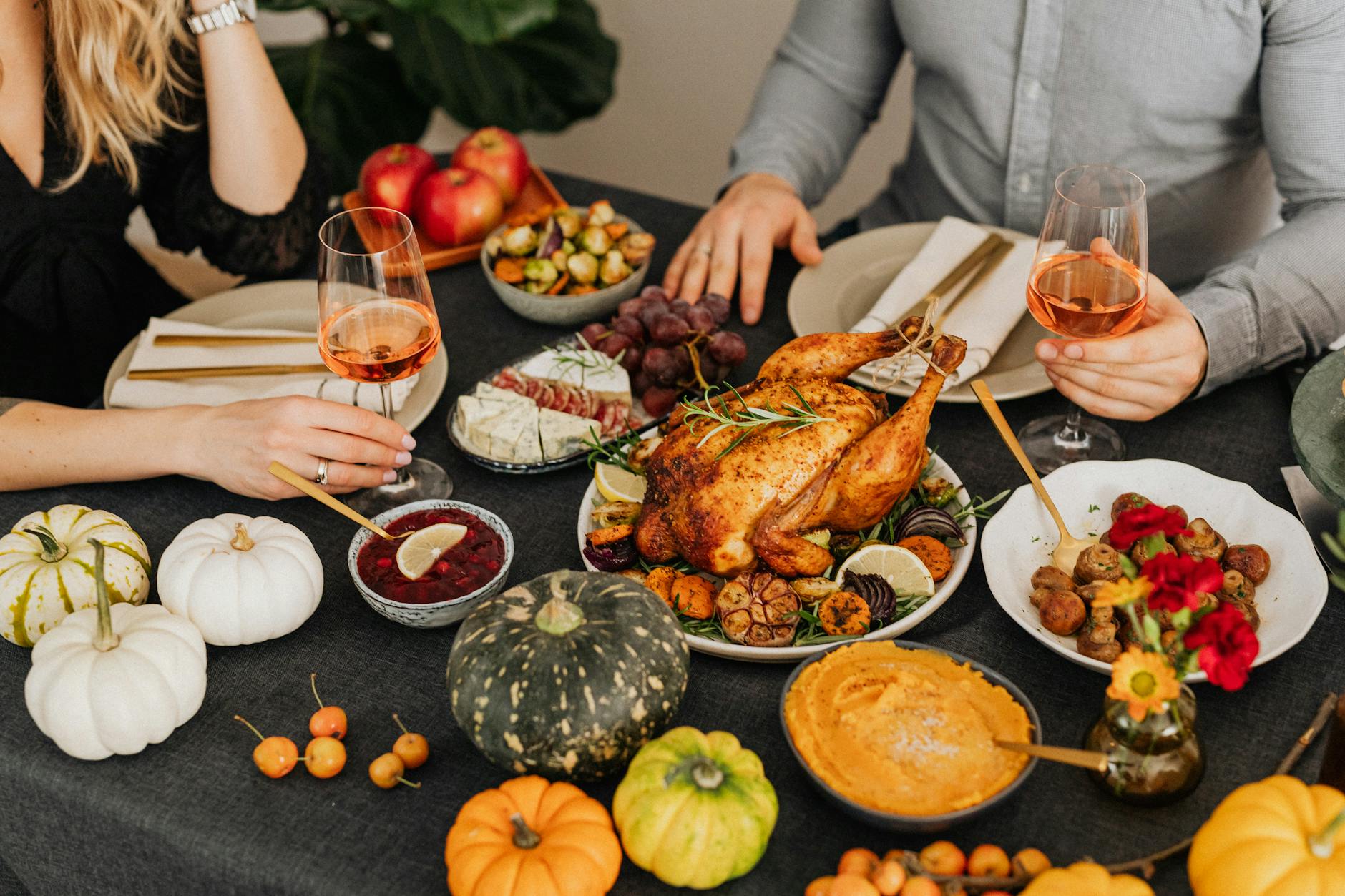
Every fourth Thursday in November, roughly 46 million turkeys meet the same fate across the United States. The smell fills kitchens from Maine to California. Families argue over dark meat versus white. Someone always burns the gravy. And almost nobody stops to ask: why is it a turkey?
The answer involves a 19th-century magazine editor who refused to give up, a president managing a nation at war, and the kind of slow cultural momentum that quietly turns a suggestion into a sacred law.
Before Turkey, There Was No Rule
Let's go back to the beginning — or at least the version most Americans were taught in grade school. The 1621 harvest gathering between the Pilgrims and the Wampanoag people is often held up as the original Thanksgiving. It probably did involve some kind of feast. But contemporary accounts from colonist Edward Winslow describe wildfowl, venison, and seafood. There is no mention of turkey. The bird that would eventually become the centerpiece of American holiday culture wasn't even confirmed to be at the table.
For the next two centuries, Thanksgiving wasn't even a national holiday. It was observed inconsistently, celebrated in some states and ignored in others, with no fixed date and no fixed menu. People ate what they had — pork, goose, beef, or whatever the season provided. Turkey was one option among many.
So how did it become the only option?
The Editor Who Invented a Holiday
Enter Sarah Josepha Hale. If you've never heard of her, you've almost certainly heard something she wrote — she authored the nursery rhyme Mary Had a Little Lamb. But her more lasting contribution to American life was a 36-year campaign to turn Thanksgiving into a unified national tradition.
Hale was the editor of Godey's Lady's Book, one of the most widely read magazines in 19th-century America. Starting in 1827, she used her platform to push for a single, shared national day of Thanksgiving — and she had very specific ideas about what it should look like. She published recipes. She described ideal menus. And in her vision, the centerpiece was always a roasted turkey.
For decades, she wrote letters to governors, senators, and presidents. Most ignored her. She kept writing anyway.
Finally, in 1863 — in the middle of the Civil War — President Abraham Lincoln listened. He declared the last Thursday of November a national day of Thanksgiving, citing a need for unity and gratitude during an extraordinarily dark chapter in American history. The holiday was official. And the menu Hale had been promoting for 36 years came with it.
Turkey Gets Locked In
Once Thanksgiving became a federal holiday, the cultural machinery took over. Cookbooks standardized the turkey recipe. Newspapers printed the same meal descriptions year after year. Families passed down the tradition to their children, who passed it to theirs. By the early 20th century, a Thanksgiving without turkey would have felt as strange as a birthday without cake.
There's also a practical reason turkey stuck around: it made economic sense. Unlike chickens — which were kept for their eggs — or cows, which provided milk and labor, turkeys were raised specifically to be eaten. They were large enough to feed a crowd. And by the time Thanksgiving became a retail event, the poultry industry had every reason to keep the tradition going.
World War II actually reinforced turkey's dominance even further. Beef, pork, and chicken were rationed during the war years. Turkey was not. The government actively encouraged Americans to eat turkey at Thanksgiving as a patriotic act, and the holiday became one of the few times families could sit down to a full, celebratory meal. The emotional weight of those wartime Thanksgivings cemented turkey's symbolic status in a way that no marketing campaign could have manufactured.
How One Person's Idea Becomes Everyone's Tradition
Here's the part of this story worth sitting with: for most of American history, there was no rule about turkey. There was one determined woman with a magazine, a president who needed a unifying gesture, and a series of circumstances — economic, political, wartime — that happened to reinforce the same choice over and over.
That's how a lot of traditions actually work. Not through ancient wisdom or deep cultural inevitability, but through repetition, timing, and someone stubborn enough to keep pushing the same idea until it sticks.
Sarah Josepha Hale didn't just advocate for a holiday. She essentially authored the emotional script Americans follow every November — the gathering, the gratitude, and yes, the bird at the center of the table. Most people who carve a turkey this Thanksgiving have no idea they're following a blueprint drawn up by one editor in the 1820s who simply decided this was how it should be.
Which raises a fair question: how many other things you do without thinking were quietly invented by just one or two people who were stubborn enough to make them stick?
The turkey on your table might be the most honest answer to that question you'll ever find.