When Wiping Your Face at Dinner Required a Trust Fund
When Wiping Your Face at Dinner Required a Trust Fund
The next time you grab a stack of paper napkins from a fast-food counter without thinking twice, consider this: you're casually using something that once required serious money to own. That crumpled piece of paper under your burger represents the democratization of what was, for most of human history, an exclusive privilege of the rich.
Ancient Rome: BYOT (Bring Your Own Towel)
The story begins in ancient Rome, where the concept of personal dining linens first took hold among the upper classes. Roman dinner guests didn't just show up empty-handed to elaborate banquets—they brought their own mappae, large cloth squares used for wiping hands and faces during meals.
These weren't simple rags. The quality and embroidery of your mappa announced your wealth and status to everyone at the table. Made from fine linen or silk, these personal dining cloths were often decorated with intricate patterns that cost more than most Romans earned in months. Guests would drape them over their left arms during meals, using them to clean their hands between courses of the elaborate feasts that could last for hours.
The practice served a practical purpose too—Romans ate with their hands, making these cloths essential for any civilized dining experience. But they were far from universal. Common citizens ate their simple meals without any such luxury, making do with whatever scraps of cloth they could find, if anything at all.
Medieval Europe: The Tablecloth Revolution
As Roman customs spread throughout medieval Europe, the dining cloth evolved into something even more elaborate. By the 12th century, wealthy households began using large communal cloths spread across dining tables. These weren't just functional—they were statements of prosperity.
The finest households employed servants whose sole job was maintaining and displaying these linens. The cloths were made from expensive imported fabrics, often featuring family crests or religious symbols embroidered with gold thread. For special occasions, multiple layers of increasingly elaborate cloths would be used, with the topmost layer reserved for the most honored guests.
During this period, the act of sharing a dining cloth became a symbol of trust and intimacy. Inviting someone to dine at your table—and use your linens—was a significant gesture of respect and acceptance.
Renaissance Artistry: When Napkins Became Sculptures
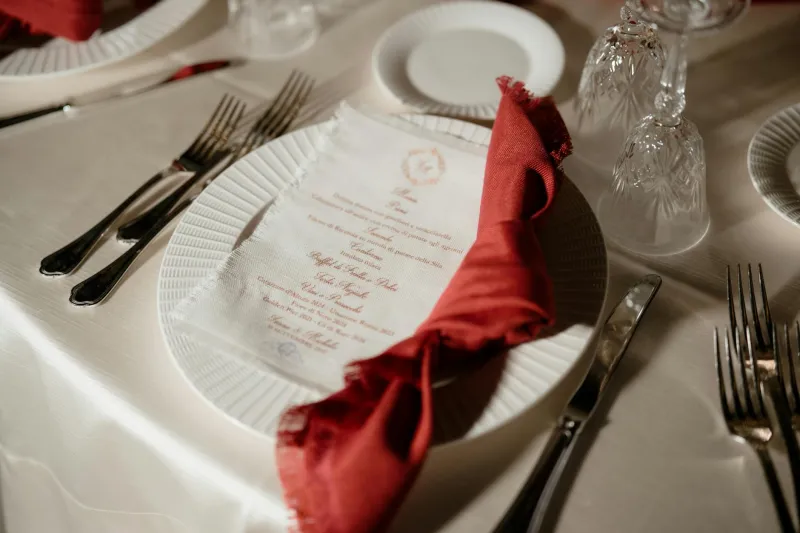
The Renaissance took dining linens to absurd new heights. Italian and French nobility turned napkin folding into an art form that required specialized training. Professional napkin folders, called piegatori, were employed by wealthy families to create increasingly elaborate displays for dinner parties.
These weren't simple triangular folds. Renaissance napkins were sculpted into ships, birds, flowers, and architectural marvels that could take hours to create. The most skilled folders could craft napkins into moving mechanical displays—miniature windmills with turning blades or peacocks with fanning tails.
A single dinner party might feature dozens of these napkin sculptures, each more elaborate than the last. The cost of employing skilled folders, combined with the expense of the fine linens themselves, meant that only the wealthiest families could afford such displays. Having elaborately folded napkins at your table was like hiring a personal orchestra—pure luxury that served no practical purpose beyond showing off your wealth.
The Great Democratization: Paper Changes Everything
The industrial revolution changed the napkin game forever. In 1887, John Dickinson, a British paper manufacturer, produced the first disposable paper napkins for commercial use. But even these early paper versions were marketed to restaurants and hotels as an upscale convenience—not the throwaway items we know today.
American paper companies began mass-producing disposable napkins in the early 1900s, but they were still considered somewhat fancy. The real turning point came after World War II, when paper manufacturing technology improved dramatically and costs plummeted.
Suddenly, every American household could afford to use fresh, clean napkins for every meal. What had once required servants to maintain and years of training to fold properly could now be grabbed from a dispenser without a second thought.
Fast Food's Final Blow
The rise of fast food in the 1950s and 60s delivered the final blow to the napkin's aristocratic heritage. McDonald's, Burger King, and other chains made paper napkins as common as ketchup packets—free, disposable, and utterly unremarkable.
The napkins became smaller, thinner, and cheaper. Their sole purpose was functional: clean up the mess from eating with your hands, then throw them away. The elaborate folding techniques that once required professional training were reduced to simple dispensers that spit out single sheets.
Today's paper napkins are so inexpensive that restaurants give them away freely, customers grab handfuls without thinking, and we toss them after a single use. The item that once announced your social status to dinner guests has become background noise in our dining experience.
The Quiet Revolution in Your Pocket
This transformation represents something larger than just changing table manners. The napkin's journey from luxury item to disposable afterthought mirrors the broader democratization of comfort and convenience in American life.
What once required wealth, servants, and social connections is now available to anyone with a dollar for a burger. The elaborate rituals that surrounded dining linens—the careful folding, the status displays, the intimate sharing of cloths—have been replaced by the simple efficiency of grab-and-go convenience.
Every time you absent-mindedly wipe your hands on a paper napkin, you're participating in a quiet revolution that would have amazed your ancestors. The casual luxury of cleanliness during a meal, once reserved for the wealthy elite, is now so common we don't even think about it.
That crumpled napkin under your lunch isn't just paper—it's the end result of centuries of social change, technological innovation, and the American genius for turning aristocratic privileges into everyday conveniences.