The Science Behind Olive Garden's Breadstick Trap: How Unlimited Carbs Became America's Dinner Strategy
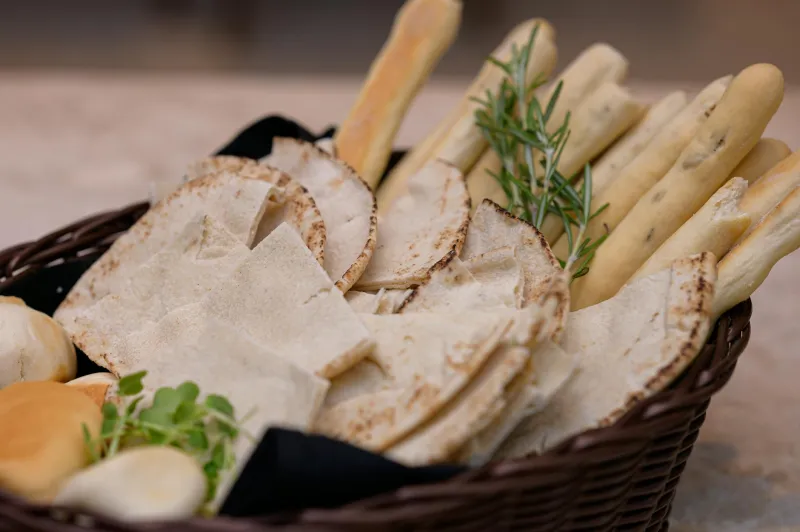
Walk into any Olive Garden across America, and within minutes, a server will place a basket of warm breadsticks on your table. "These are unlimited," they'll say with a smile, as if they're doing you the biggest favor in the world. But those breadsticks aren't generosity — they're one of the most calculated moves in the history of American dining.
The Birth of Strategic Carbs
The story begins in 1982, when Olive Garden was still a scrappy upstart trying to figure out how to compete in America's rapidly expanding casual dining market. The restaurant industry was undergoing a massive shift. Families were eating out more than ever, but they wanted value — lots of food for reasonable prices.
General Mills, Olive Garden's parent company at the time, commissioned extensive research into dining psychology. What they discovered changed everything: customers judge a restaurant's value within the first ten minutes of sitting down. If people felt like they were getting "more" before they even ordered, they'd spend more on their actual meals.
The unlimited breadstick wasn't born from Italian tradition — it was engineered in corporate test kitchens to trigger specific psychological responses.
The Psychology of "Free" Food
Here's where it gets fascinating: those breadsticks cost Olive Garden roughly 30 cents per basket to make, but they create the perception of receiving something worth $3-4. This isn't accident — it's applied behavioral economics.
When you're munching on "free" breadsticks, your brain releases dopamine, the same chemical associated with rewards and pleasure. You feel good about the restaurant before you've even seen your entree. Meanwhile, the carbs are literally making you hungrier for more food, not less.
Dr. Brian Wansink, who spent decades studying food psychology at Cornell, found that people who eat bread before their meal order 12% more food on average. They also rate their dining experience higher, even if the main course is identical to what they'd receive elsewhere.
The Waiting Game
But here's the really clever part: those breadsticks buy time. The average Olive Garden kitchen needs 12-15 minutes to prepare most entrees. Without breadsticks, customers get antsy. They complain. They leave bad reviews about slow service.
With breadsticks, that same 15-minute wait feels like attentive service. You're not waiting for food — you're already eating. And while you're eating, you're also drinking. Beverages have some of the highest profit margins in the restaurant business, often marked up 300-400% from cost.
The breadsticks keep you at the table, keep you ordering drinks, and keep you happy while the kitchen works. It's brilliant.
The Copycat Revolution
Once Olive Garden's breadstick strategy proved successful, every chain restaurant scrambled to create their own version. Red Lobster rolled out Cheddar Bay Biscuits. Texas Roadhouse introduced their honey butter rolls. Outback Steakhouse perfected their brown bread.
Each followed the same formula: cheap to make, psychologically satisfying, and designed to increase overall spending. The "free" appetizer became the foundation of casual dining in America.
The Cultural Phenomenon
By the 1990s, Olive Garden's breadsticks had transcended restaurant marketing to become a genuine cultural touchstone. People planned visits around them. College students would order the cheapest entree possible just to access unlimited breadsticks. Social media turned them into memes.
Olive Garden leaned into this popularity, eventually serving over 675 million breadsticks annually. They became so associated with the brand that the company trademarked specific aspects of their preparation and presentation.
The Modern Breadstick Economy
Today, those breadsticks represent something bigger than clever marketing — they're a window into how modern American dining works. Every element of your restaurant experience, from the lighting to the music to the "free" food, has been researched, tested, and optimized to influence your behavior.
The breadstick strategy has been so successful that Olive Garden built their entire business model around it. Their "Never Ending" promotions — pasta bowls, soup and salad, breadsticks — all follow the same psychological principle: the perception of abundance drives spending.
What This Means for Your Next Dinner Out
The next time you sit down at Olive Garden and see that basket of breadsticks appear, remember: you're not just getting free bread. You're experiencing one of the most successful applications of dining psychology in American restaurant history.
Those warm, garlicky breadsticks represent decades of research into how humans make food decisions. They're designed to make you feel valued, keep you at the table longer, and ultimately spend more money.
And honestly? Knowing all this probably won't stop you from reaching for another one. That's how good they are at what they were designed to do.