Ketchup Used to Be Made From Fish Guts — So How Did It End Up on Every American Burger?
Ketchup Used to Be Made From Fish Guts — So How Did It End Up on Every American Burger?
Open a refrigerator in almost any American home and you'll find it: that familiar red bottle, thick and sweet, ready to go on eggs, fries, burgers, meatloaf, or — if you grew up in certain households — pretty much anything that holds still long enough. Americans consume somewhere around ten billion ounces of ketchup every single year. It is, by almost any measure, the defining condiment of this country.
But here's what almost nobody thinks about while reaching for the bottle: ketchup has almost nothing in common with what it used to be. The name, the concept, and the basic impulse behind it all trace back to a sauce so different from what we know today that calling them the same thing feels like a stretch. It started not with tomatoes, not in America, and not even close to anything you'd want to put on a hot dog.
It Started in Southeast Asia, and It Was Made From Fish
The earliest ancestor of ketchup was a fermented condiment used in coastal regions of southern China and Southeast Asia — what is now Vietnam, Malaysia, and surrounding areas — somewhere around the 17th century, possibly earlier. Called by various names, the most commonly cited being kê-tsiap or kôe-chiap in southern Chinese dialects, it was essentially a salty, intensely savory liquid made from fermented fish, shellfish, or other preserved seafood.
Think less Heinz, more fish sauce — the kind you'd find in a bottle at a Vietnamese or Thai grocery store today. Sharp, pungent, deeply umami. Nothing sweet about it. Nothing red. Just a dark, potent liquid used to add depth to food in a part of the world where preserving protein was a practical necessity.
British sailors and traders encountered this sauce during their travels through the region in the late 1600s and early 1700s and, as people tend to do when they find something delicious, they brought it home. The English adopted it enthusiastically, anglicized the name to "ketchup" or "catsup," and began making their own versions — though without access to the same ingredients, those early British recipes got creative fast.
The Recipe Got Stranger Before It Got Familiar
Eighteenth-century English ketchup recipes are a fascinating window into a world before culinary standardization. Cooks made versions from mushrooms, walnuts, anchovies, oysters, and even kidney beans. These weren't tomato-based sauces with a hint of something else — they were entirely different condiments that happened to share a name and a general philosophy of being a savory, shelf-stable liquid used to season food.
Tomatoes entered the picture slowly, and with some resistance. For much of European history, tomatoes were viewed with deep suspicion — widely believed to be poisonous, or at least not fit for serious cooking. It wasn't until the early 19th century that tomato-based ketchup began appearing in American cookbooks, most notably in an 1812 recipe by horticulturist James Mease, who described a "love apple" sauce that starts to look recognizable, if still not quite right.
Early American tomato ketchups were thinner, tangier, and often heavily spiced with ingredients like cloves, mace, and nutmeg. They were also notoriously unstable — prone to spoiling, inconsistent in flavor, and a long way from what we'd consider ketchup today.
Henry Heinz and the Bottle That Changed Everything
The transformation into the ketchup Americans know and love is largely the story of one man and one company. Henry J. Heinz began selling his tomato ketchup in 1876, and over the following decades, his Pittsburgh-based company systematically refined the product into something shelf-stable, consistently flavored, and — critically — sweet.
Heinz added significantly more sugar and vinegar than earlier recipes used. He increased the tomato solids. He standardized the process so that every bottle tasted the same. And he marketed it aggressively, positioning it as a safe, clean, reliably wholesome product at a time when food adulteration was a real public concern. His distinctive glass bottle let consumers see exactly what they were buying — a transparency that was genuinely novel for the era.
By the early 20th century, Heinz ketchup had become the national default. Competitors existed, but the category was his.
Why America, Specifically?
Other countries use ketchup. But no country has made it a cultural institution quite the way the United States has. Part of that is simply marketing history — Heinz was an American company that built its brand domestically first. But there's also something about the American palate and the American table that ketchup fits unusually well.
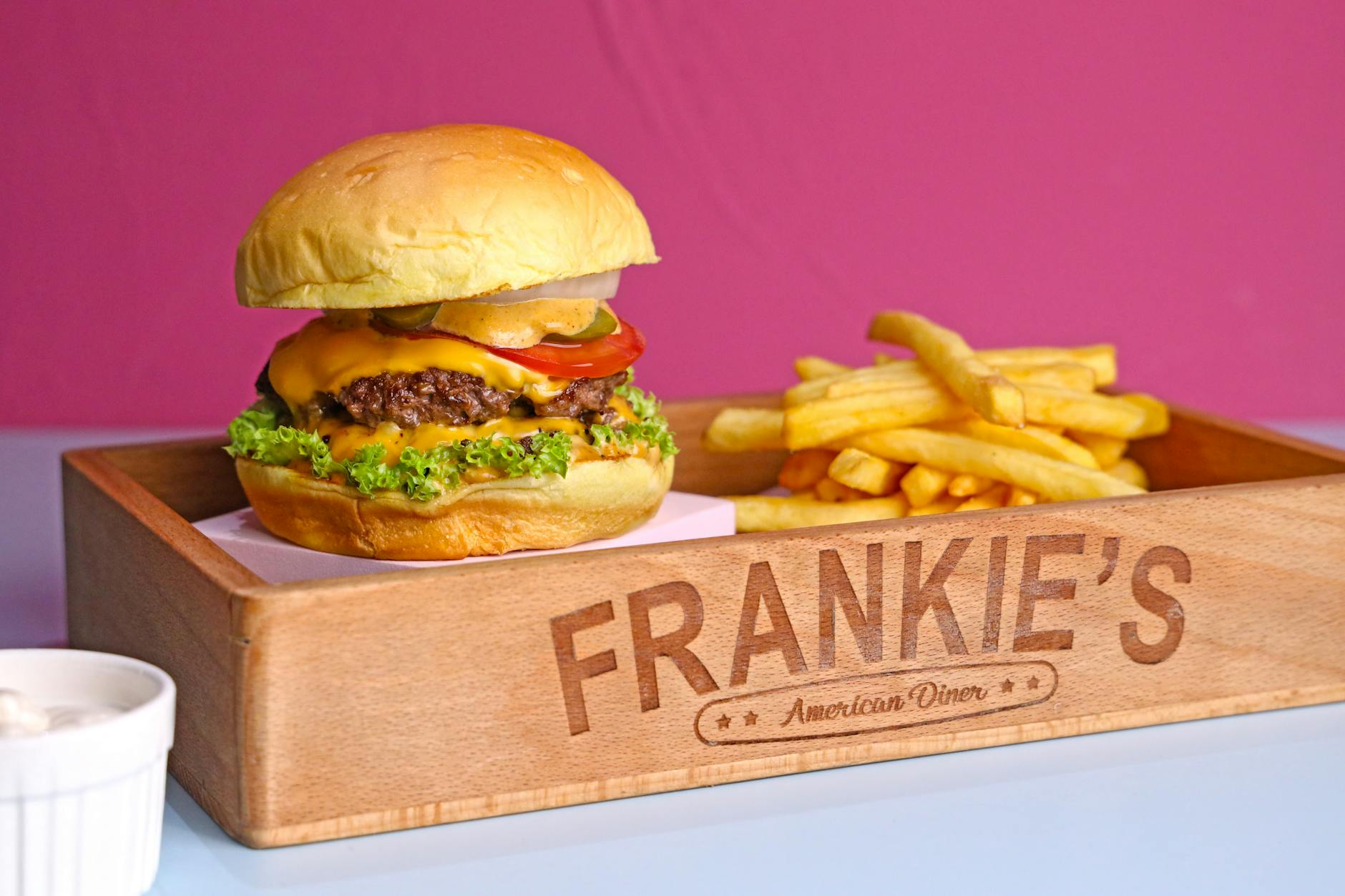
American food culture has long favored bold, accessible flavors — sweet, tangy, uncomplicated. Ketchup hits all of those notes. It also arrived and scaled up precisely as American fast food culture was developing in the mid-20th century. Hamburgers, hot dogs, french fries — the architecture of the American quick meal was practically designed around something like ketchup. The condiment and the cuisine grew up together.
The fish sauce from the coast of Vietnam that sailors brought back to England three centuries ago would be completely unrecognizable on today's diner table. But in a strange way, the impulse behind it — take something preserved, something savory, something that makes plain food taste better — never really changed at all. We just swapped the fish for tomatoes, added a lot of sugar, and called it American.