The Bird That Almost Missed Thanksgiving: How Turkey Claimed Its Place at the American Table
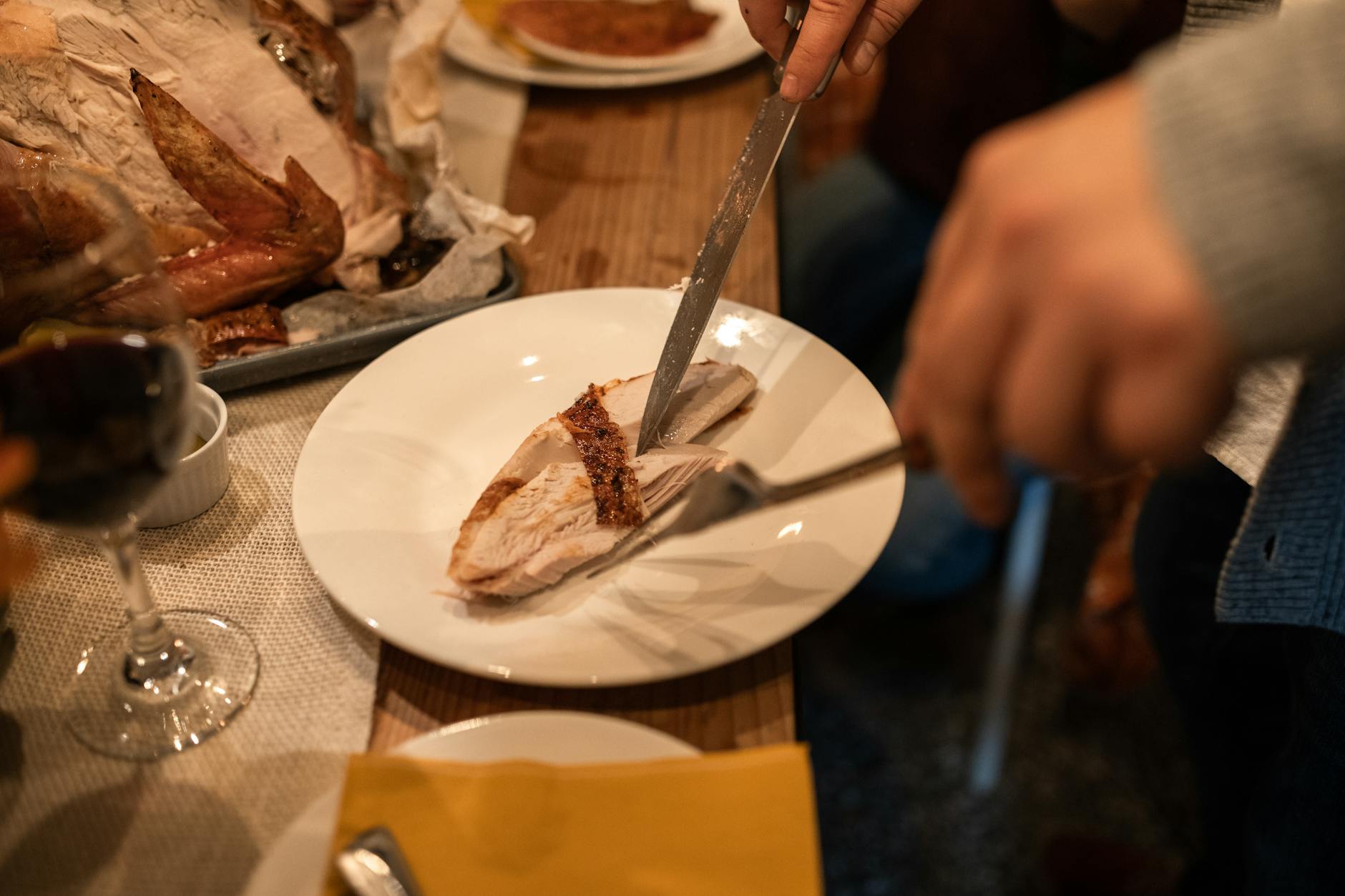
The Bird That Almost Missed Thanksgiving: How Turkey Claimed Its Place at the American Table
Every November, roughly 46 million turkeys are prepared in American homes, and almost nobody questions why. Turkey is Thanksgiving. Thanksgiving is turkey. The connection feels ancient, obvious, and completely settled — like it was written into the founding documents somewhere between life, liberty, and the pursuit of gravy.
It wasn't. The story of how turkey became the undisputed centerpiece of America's most food-obsessed holiday is a patchwork of historical guesswork, 19th-century sentimentality, wartime logistics, and surprisingly effective industry lobbying. And the original 1621 harvest meal at Plymouth? Turkey probably wasn't even the main event.
What We Actually Know About 1621
The historical record for the Plymouth harvest celebration is thin. Genuinely, frustratingly thin. There are essentially two primary sources that describe it, and neither one mentions turkey by name.
The first is a letter written by colonist Edward Winslow in December 1621, which notes that Governor Bradford sent men out "fowling" before the feast and that the colonists and Wampanoag guests ate together for three days. That's it. "Fowl" could mean ducks, geese, or any number of birds. No turkey is specified.
The second source, Bradford's own memoir Of Plymouth Plantation, written years later, mentions a harvest season but doesn't describe the feast in any meaningful detail at all.
What historians believe was actually on the table in 1621, based on what was available in coastal Massachusetts that time of year, includes venison (the Wampanoag guests reportedly brought five deer), shellfish, fish, corn-based dishes, and yes, possibly some wild birds. But the romantic image of a bronzed turkey as the gleaming centerpiece? That's a construction. A later one.
Enter Sarah Josepha Hale
If one person deserves credit — or blame, depending on your feelings about dry turkey — for cementing the Thanksgiving-turkey connection in the American imagination, it's Sarah Josepha Hale.
Hale was the editor of Godey's Lady's Book, one of the most widely read magazines in 19th-century America. She was also the author of "Mary Had a Little Lamb," which is a fun fact that has nothing to do with this story but feels worth mentioning.
For decades, Hale campaigned tirelessly for Thanksgiving to be recognized as a national holiday. She wrote editorials, lobbied presidents, and published an 1827 novel called Northwood that included a detailed, idealized Thanksgiving feast scene — one that featured a roasted turkey prominently on the table.
Hale's vision of Thanksgiving, repeated and amplified through her magazine for decades, shaped how millions of Americans came to picture the holiday. When Abraham Lincoln finally declared Thanksgiving a national holiday in 1863 — partly in response to Hale's persistent lobbying — the cultural image of what that table should look like had already been established. Turkey was in the picture because Hale had put it there, not because history demanded it.
World War II Changed Everything
Even with Hale's influence, turkey wasn't the only option on American Thanksgiving tables heading into the 20th century. Chicken, goose, duck, and even beef appeared on holiday menus depending on region, family tradition, and what was affordable.
World War II is what locked turkey in permanently.
During the war, beef, pork, and chicken were all subject to rationing. The government needed those proteins for soldiers overseas. Turkey, however, was not rationed — partly because it wasn't a staple of the regular American diet and partly because the military didn't consume it in large quantities.
The result was that turkey became the practical choice for holiday meals during the war years. Families who might have served chicken or a small roast pivoted to turkey because it was available when other meats weren't. By the time rationing ended, the habit had calcified. Turkey on Thanksgiving stopped feeling like a wartime workaround and started feeling like tradition.
The Poultry Industry Seals the Deal
Nature abhors a vacuum, and the American food industry abhors an unmarketed opportunity. Through the mid-20th century, the turkey industry — through organizations like the National Turkey Federation — invested heavily in promoting turkey as the only appropriate Thanksgiving protein.
They lobbied for turkey to appear in school curricula and government nutrition materials. They sent turkeys to the White House, a tradition that eventually evolved into the now-famous presidential turkey pardon. They funded recipes, distributed promotional materials, and worked with food editors at major publications to ensure turkey remained central to every November food feature.
It worked spectacularly. By the 1980s, the idea that anyone might serve something other than turkey at Thanksgiving had become almost transgressive — a quirky personal statement rather than a normal menu decision.
A Tradition Built in Real Time
None of this means Thanksgiving is a fraud or that turkey doesn't belong on the table. Traditions don't have to be ancient to be real. They just have to mean something to the people who practice them, and Thanksgiving clearly does.
But there's something genuinely interesting about the fact that one of America's most deeply felt food traditions was assembled piece by piece — by a magazine editor with a vision, by the logistical constraints of wartime, and by an industry that recognized a marketing opportunity when it saw one.
The Pilgrims didn't hand us this tradition. We built it ourselves, over about two centuries, out of historical imagination and practical necessity.
Which, honestly, might make it more American than if it had been real all along.