Sugar, Heat, and a Happy Accident: How Caramel Became America's Stickiest Obsession
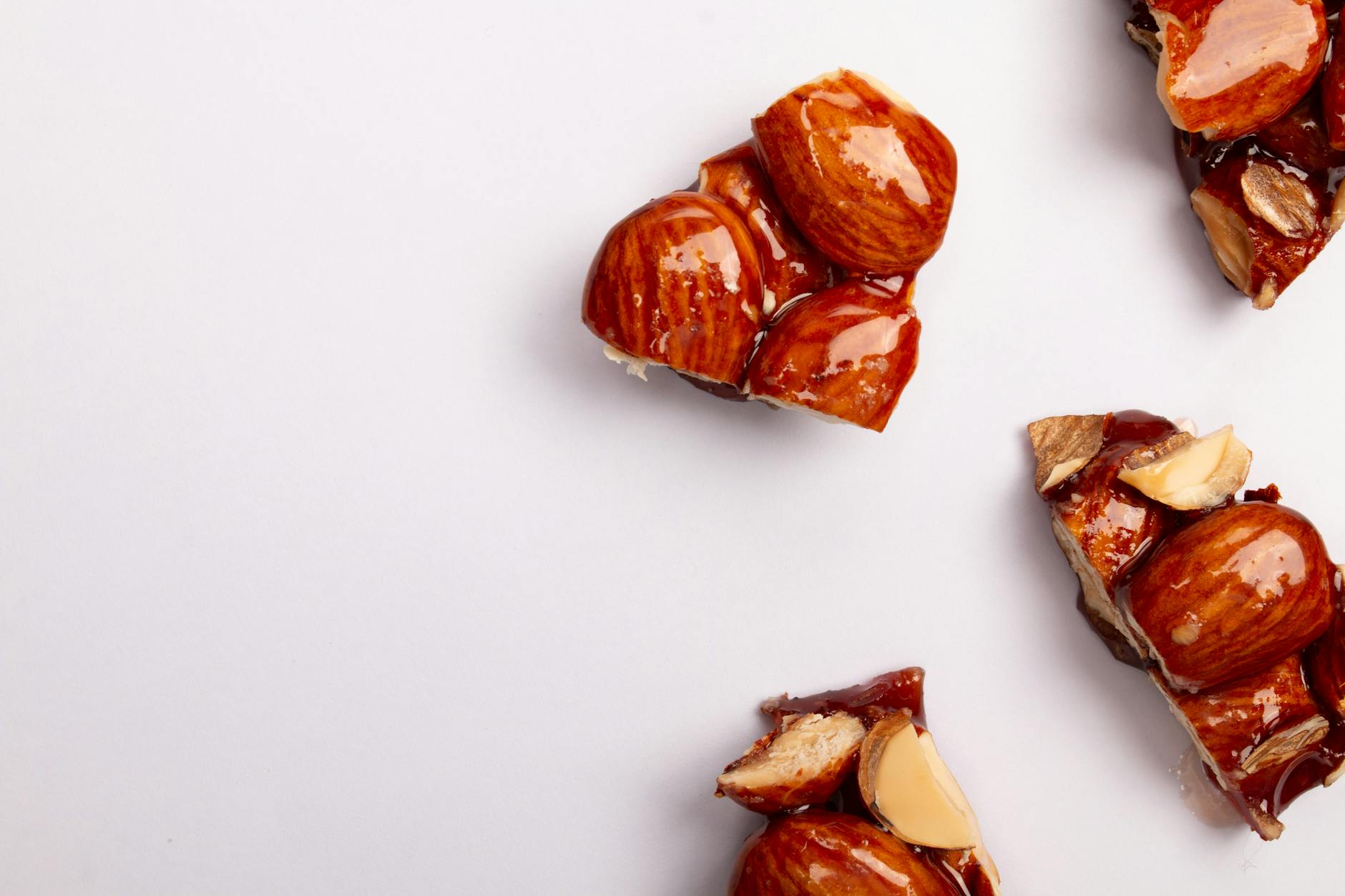
Sugar, Heat, and a Happy Accident: How Caramel Became America's Stickiest Obsession
Picture a pot of sugar sitting over an open flame. The cook steps away for a moment too long. The sugar darkens, the kitchen fills with a warm, nutty smell, and something entirely new appears in the pan. It's not burnt. It's not ruined. It's something nobody quite has a name for yet.
That moment — repeated across centuries and continents by distracted cooks who had no idea what they were witnessing — is the origin story of caramel. And it's one of the most delicious accidents in food history.
The Chemistry Nobody Understood
Caramelization is, at its core, a chemical reaction. When sugar is heated to around 320°F, the molecules begin to break down and recombine into hundreds of new compounds — ones that produce that complex, slightly bitter, deeply rich flavor we now recognize instantly. Depending on how far the process goes, you get everything from a light golden syrup to a deep amber toffee.
But here's the thing: for most of human history, nobody knew any of that. Early cooks weren't thinking about molecular chemistry. They were thinking about whether the fire was too high and whether they had enough time to stir.
What they stumbled onto, again and again across different cultures, was that overheated sugar didn't have to be a mistake. It could be something worth keeping.
From Arab Kitchens to European Tables
The earliest documented experiments with heated sugar trace back to Arab confectioners in the medieval period, somewhere around 1000 CE. Working with sugarcane products that had begun arriving through trade routes, these cooks discovered they could create a hardened, amber-colored substance by boiling sugar with water. They called it kurat al milh — a phrase loosely translated as a ball of sweet salt — and used it primarily as a medicinal lozenge rather than a treat.
The technique slowly moved westward. By the 17th century, European confectioners were experimenting with variations, mixing caramelized sugar with cream and butter to create softer, chewier results. The word "caramel" itself likely arrived through French or Spanish, though etymologists still debate its exact roots — some tracing it to the Latin cannamellis, meaning sugarcane, others pointing to Portuguese or Arabic origins.
What mattered more than the name was what was happening in the pot. Each time someone combined fat, dairy, and overheated sugar, the result got a little closer to what we'd recognize today.
America Gets Its Hands on It
By the 19th century, caramel had crossed the Atlantic and found a new home in American candy-making culture. Sugar was becoming more affordable, and small confectionery operations were popping up across the country. Vendors sold caramel candies from carts and storefronts, and the chewy, wrapped variety became a staple of general stores and street markets.
Then came Milton Hershey.
Before he became synonymous with chocolate, Hershey was a caramel man. His Lancaster Caramel Company, founded in the 1880s, was a genuine success — he was selling millions of pounds of caramel candy a year by the time he decided to pivot toward chocolate. In fact, Hershey only got serious about chocolate because he needed a way to coat his caramels. The chocolate became the main event, but caramel was always there underneath, quietly doing its job.
The 20th century only deepened the relationship between Americans and caramel. Werther's Originals brought a buttery, hard-candy version into living rooms and purses everywhere. Kraft caramels — those individually wrapped squares that showed up in every Halloween bowl — became a household staple. And then there was the caramel apple, which according to candy industry lore was invented in the 1950s by a Kraft Foods employee named Dan Walker, who was trying to figure out what to do with excess caramel inventory. He dipped an apple on a stick. The rest is county fair history.
The Billion-Dollar Burn
Today, caramel is everywhere in the American food landscape. It shows up in candy bars, coffee drinks, ice cream toppings, popcorn, pretzels, and seasonal lattes that signal the arrival of fall like nothing else does. The US confectionery market is worth well over $30 billion annually, and caramel-flavored products represent a significant and growing slice of that number.
Flavor trend reports consistently rank caramel among the top three most popular candy and dessert flavors in the country, year after year. It has outlasted countless food trends, survived the low-sugar era, and reinvented itself in everything from salted caramel (which exploded in popularity in the 2010s) to caramel-infused craft spirits and artisan chocolates.
All of it traces back to a pot that got too hot.
The Accident That Kept Giving
What makes the caramel story so satisfying — beyond the obvious — is how completely unintentional the whole thing was. No one sat down to engineer a new flavor. No scientist set out to discover caramelization. A cook overshot the temperature, something unexpected happened, and someone was curious enough to taste it instead of throwing it out.
That small act of curiosity, repeated across cultures and centuries, eventually produced one of the most commercially successful flavors in American food history. The next time you unwrap a piece of caramel candy or stir a caramel sauce into your coffee, you're participating in a tradition that started with nothing more than a distracted cook and a very interesting mistake.