The Cookie That Almost Wasn't: The Real Story Behind Ruth Wakefield's Famous Accident
The Cookie That Almost Wasn't: The Real Story Behind Ruth Wakefield's Famous Accident
There are some origin stories so good they start to feel like myths. The chocolate chip cookie is one of them. You've probably heard the basic version: a baker in 1930s Massachusetts ran out of an ingredient, made a substitution, and accidentally created the most popular cookie in the United States. Simple. Charming. Almost certainly incomplete.
The full story is better. It involves a woman who was far more than a lucky baker, a candy company that saw an opportunity, and a recipe on a bag of chocolate chips that turned a happy accident into a billion-dollar industry.
The Woman Behind the Cookie
Ruth Wakefield wasn't stumbling around her kitchen hoping something good would happen. She was a trained dietitian and food lecturer who, along with her husband Kenneth, purchased a tourist lodge in Whitman, Massachusetts in 1930. They called it the Toll House Inn — named after the actual toll houses that had once stood along colonial-era roads, where travelers would stop to pay road fees and rest.
Wakefield ran the kitchen with serious professional intent. She cooked everything from scratch, developed her own recipes, and built a reputation for food worth stopping for. The Toll House became known regionally as a place where the meals were genuinely good, which was not something you could say about most roadside stops in Depression-era New England.
She was, in other words, exactly the kind of cook who would notice what happened when she broke a Nestlé Semi-Sweet chocolate bar into small pieces and added them to a butter cookie dough — and exactly the kind of cook who would understand why it worked.
What Actually Happened That Day
The popular legend says Wakefield ran out of baker's chocolate and grabbed a Nestlé bar as a substitute, expecting it to melt fully into the dough the way baking chocolate would. When the chips held their shape instead, the cookie was born.
The reality is a little murkier. Some food historians believe Wakefield knew exactly what she was doing — that she was experimenting deliberately, not scrambling for a last-minute fix. Others stick closer to the accident narrative. Wakefield herself gave slightly different accounts at different times, which doesn't help settle the debate.
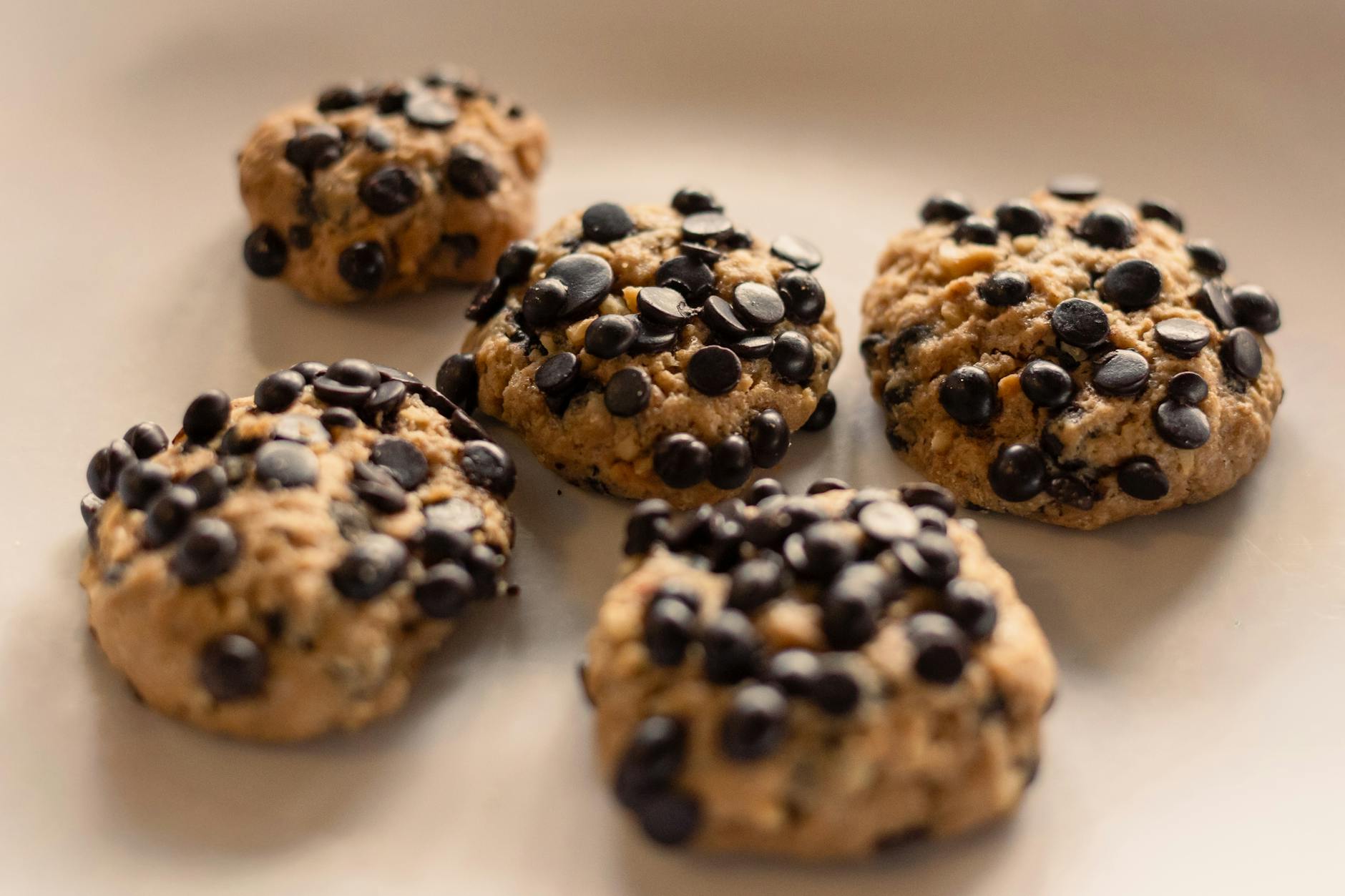
What isn't in dispute is the result: a butter drop cookie studded with soft, barely-melted pockets of chocolate. She called it the Toll House Chocolate Crunch Cookie, served it to guests at the inn, and published the recipe in a Boston newspaper and later in her own cookbook. Readers loved it. Nestlé Semi-Sweet chocolate bar sales in New England started climbing in a way the company couldn't immediately explain.
The Deal That Changed Everything
Once Nestlé figured out that their chocolate bars were being chopped up and baked into cookies, they reached out to Wakefield. What followed was a business arrangement that, depending on how you look at it, was either remarkably fair or a spectacular undervaluation of what she'd created.
Nestlé licensed the Toll House name and recipe from Wakefield, and in exchange she reportedly received a lifetime supply of Nestlé chocolate. The company began scoring their chocolate bars to make them easier to break into pieces — a direct response to how bakers were using them. Then, in 1939, they introduced pre-cut chocolate morsels: the chocolate chip as we know it today.
The Toll House recipe was printed on every bag.
That detail is easy to underestimate. By putting the recipe directly on the packaging, Nestlé essentially handed millions of home bakers a complete set of instructions every time they bought a product. You didn't need a cookbook. You didn't need to search anything out. The recipe was right there, in your hands, every single time. It's one of the most effective pieces of recipe marketing in American food history, and it transformed a regional inn specialty into a fixture of the national pantry within a generation.
From Accident to Institution
By the mid-20th century, the chocolate chip cookie had become something close to a cultural default. It appeared in school lunchboxes, on bake sale tables, and in the hands of American soldiers during World War II — Wakefield reportedly encouraged people to send Toll House cookies to troops overseas, and the recipe spread even further as servicemen shared it with people back home.
Today, Americans consume roughly 7 billion chocolate chip cookies per year. The Toll House name still appears on Nestlé products. And Ruth Wakefield — the trained dietitian who ran a well-regarded inn and happened to make one very consequential baking decision — is mostly remembered as the woman who made a mistake in the kitchen.
She deserves better than that footnote. What she actually did was recognize a happy accident, refine it into something repeatable, and negotiate a deal that put her recipe in front of the entire country. The cookie wasn't just luck. It was luck plus skill plus the right partnership at the right moment.
The next time you pull a warm tray out of the oven, that's the full story you're tasting.